
Starting a Shopify clothing store is one of the easiest things to do today. Building one that actually converts, makes money, and grows consistently? That’s where most people get stuck.
A lot of new brands focus heavily on designs, branding, and aesthetics—which is great—but ignore the small things that actually drive sales behind the scenes. Things like sizing clarity, customer trust, and how much each customer spends per order.
If you get these three things right early on, your store immediately has an advantage.
In this guide, we’re not going to overload you with dozens of tools. Just three apps that genuinely make a difference if you’re running (or planning to launch) a Shopify clothing brand.
Why Most Shopify Clothing Stores Struggle to Convert
Before jumping into the apps, it’s important to understand where things usually go wrong.
A customer lands on your store, likes your product, and is almost ready to buy. But then a few doubts creep in:
- “Will this fit me properly?”
- “Can I trust this brand?”
- “Is this worth the price?”
If these questions aren’t answered quickly, the customer leaves. Not because your product is bad, but because the experience isn’t strong enough.
The apps below solve exactly these problems.
1. TaskHusky Size Chart App – Fix the Sizing Problem Once and For All
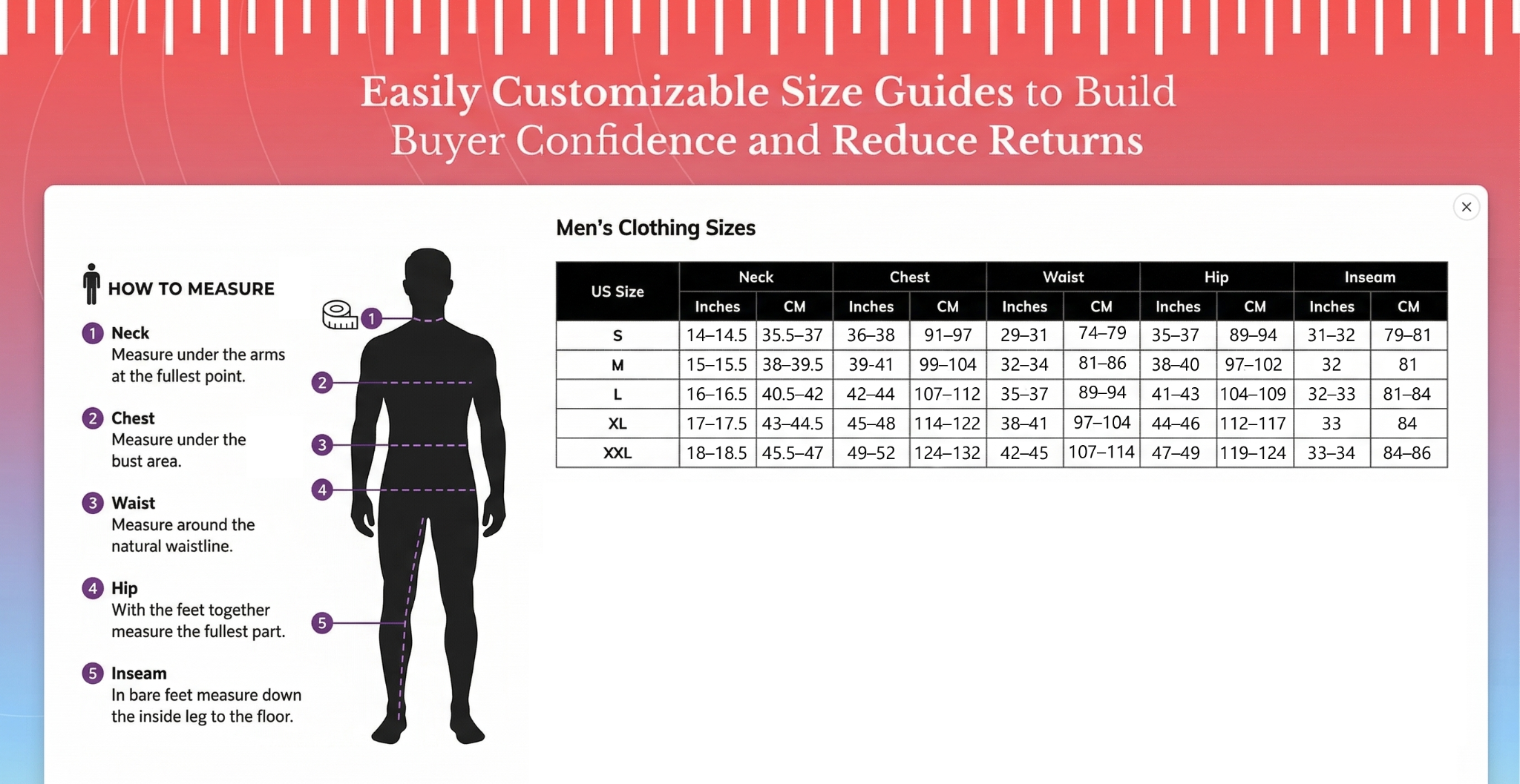
Sizing is one of the biggest conversion killers in clothing stores.
When customers don’t know which size to pick, they hesitate. And hesitation usually leads to drop-offs. You might be getting traffic, but you’re quietly losing sales without realizing why.
TaskHusky’s Size Chart app fixes this by adding clear, easy-to-understand size guides directly on your product pages. Instead of guessing, your customers feel confident about what they’re buying.
And this doesn’t just help with conversions.
It also reduces returns—which is something many beginners underestimate. Fewer returns mean better margins, less hassle, and a smoother overall operation.
It’s a simple addition, but it solves a very real problem.
2. Okendo – Build Trust That Actually Converts
Let’s be honest—if your brand is new, people don’t automatically trust you.
And that’s completely normal.
When someone visits your store for the first time, they’re looking for proof. They want to see if other people have bought from you, if the product looks good in real life, and if the experience is worth it.
That’s exactly what Okendo helps you do.
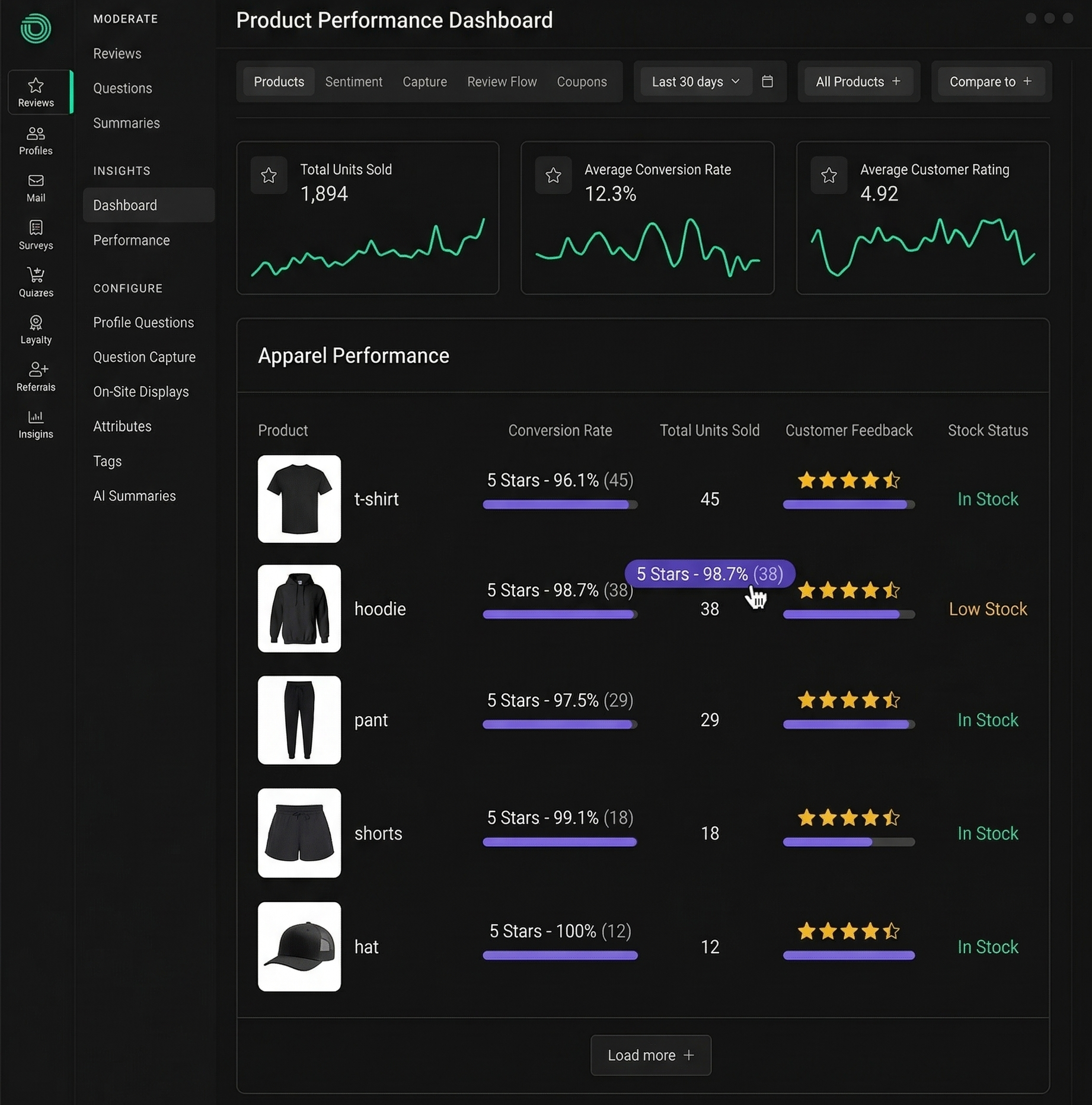
Instead of basic text reviews, you can collect photo and video reviews that feel real and relatable. This kind of content does something your product images alone can’t—it shows your product in the hands of actual customers.
And once trust is built, everything becomes easier.
People are more likely to buy, and more importantly, they’re more likely to come back. With loyalty and rewards features, Okendo helps you turn one-time buyers into repeat customers—which is where real brand growth happens.
3. FoxEcom (FoxKit) – Turn Browsers Into Higher-Value Customers
Most clothing brands focus heavily on getting more traffic.
But in reality, one of the easiest ways to grow your store is by increasing how much each customer spends per order—without making the experience feel forced.
That’s where FoxEcom’s FoxKit app comes in.
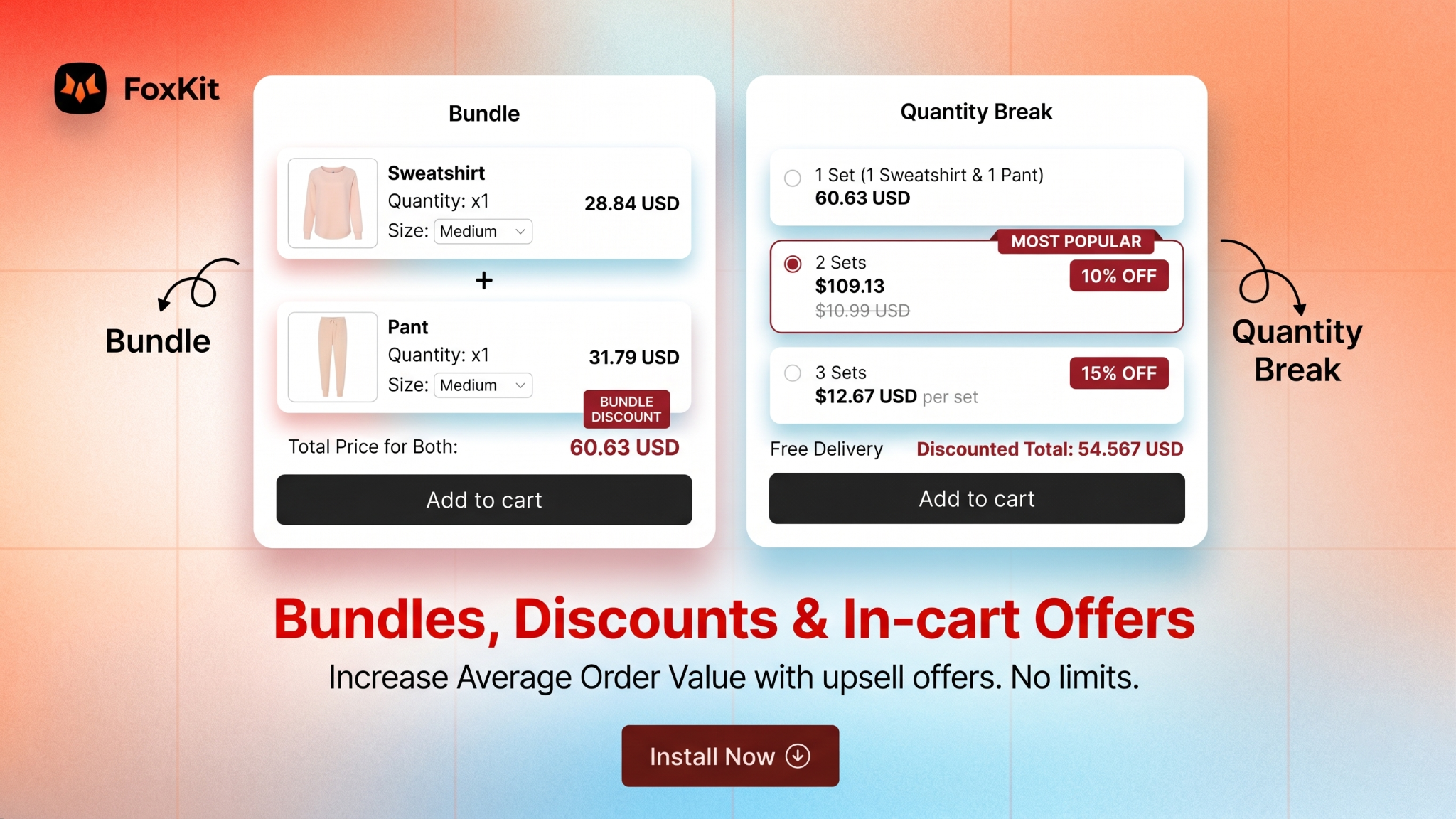
Instead of relying on just basic product bundles, FoxKit gives you multiple ways to guide customers toward buying more. You can show “frequently bought together” products, add in-cart upsell offers, create bundle deals, and even use things like pop-ups or free shipping goals to encourage higher-value orders.
What makes it powerful is how everything works together.
It’s not just about pushing extra products—it’s about showing the right suggestion at the right time. If someone is buying a hoodie, recommending matching sweatpants or a beanie feels helpful, not salesy.
And that small shift in experience makes a big difference.
Over time, you’re not just getting more orders—you’re getting more value from every customer who visits your store.
For clothing brands, this works especially well because people rarely shop for just one item. They’re usually trying to put together a full look.
How Apliiq Helps You Build a Real Clothing Brand
Now here’s something most people overlook.
You can install all the right apps, optimize your store, and still struggle if your product feels generic.
A lot of Shopify stores look different on the surface—but behind the scenes, they’re selling the same type of basic print-on-demand products.
That’s where Apliiq gives you an edge.
Instead of just printing designs, you can actually customize your garments with details like woven labels, embroidered patches, and custom neck tags. These small touches completely change how your product feels.
And perception matters.
When your product feels premium, customers take your brand more seriously. It stops looking like a “random Shopify store” and starts feeling like a proper clothing label. You can also check out our catalog to see more than 1200 garments available for customization – one of the widest collections out there to keep your products unique.
Bringing It All Together
If you look at these tools individually, they each solve a specific problem.
TaskHusky removes confusion around sizing.
Okendo builds trust and credibility.
FoxEcom (FoxKit) increases how much each customer spends. Apliiq upgrades the product itself.
But the real power comes when you use them together.
You create a store where:
- Customers feel confident buying
- Your brand feels trustworthy
- Orders are higher in value
- And your product actually stands out
That combination is what separates stores that struggle… from brands that grow consistently.
Final Thoughts: Focus on Systems, Not Just Design
It’s easy to get caught up in logos, colors, and graphics when building a clothing brand.
But what really makes a difference is the system behind your store.
If your goal is to build something long-term—not just make a few sales—then focus on improving the experience, building trust, and increasing value at every step.
These three apps won’t magically make your store successful overnight. But they will remove a lot of friction, simplify your workflow, and give you a much stronger foundation to grow from.
And honestly, that’s what most beginners need.