
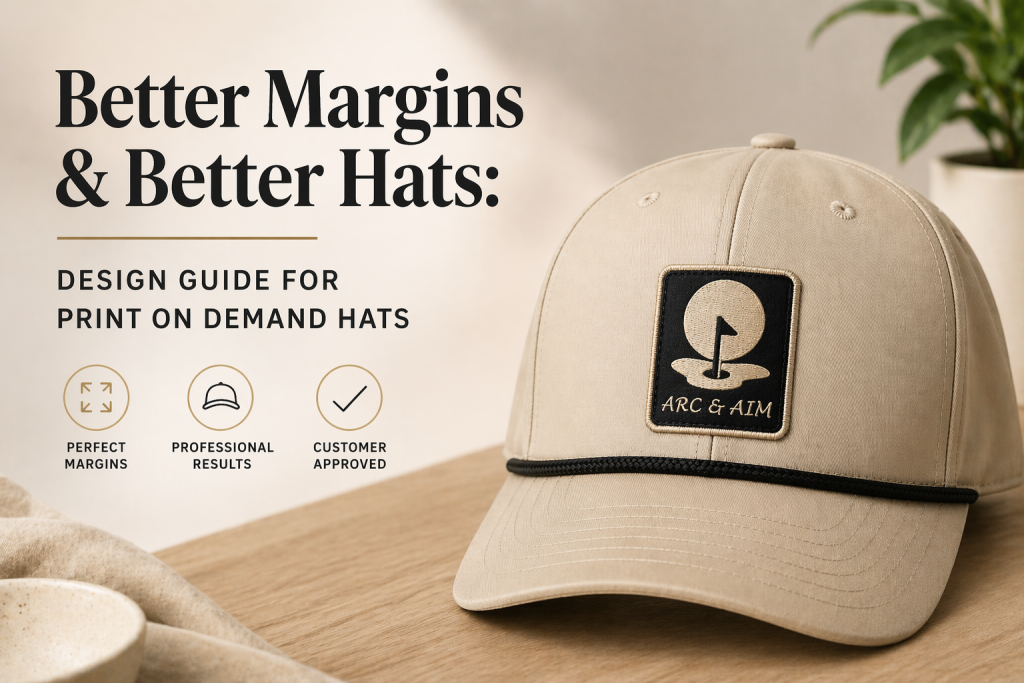
Most print-on-demand hats start the same way. You pick a blank, upload a logo, and embroider it on the front.
That’s the traditional model. It’s been around forever, and to be fair, it works. But it was never built for brands trying to stand out or protect their margins. It was built for convenience. When everyone uses the same method, everything starts to look the same. And when the production method itself is expensive, your margins are already under pressure before you even make your first sale.
So if the goal is to build something that feels like a real brand, something that looks retail-ready and still leaves room for profit, you have to approach custom hats differently.
The Shift: How Better Brands Actually Approach Hats
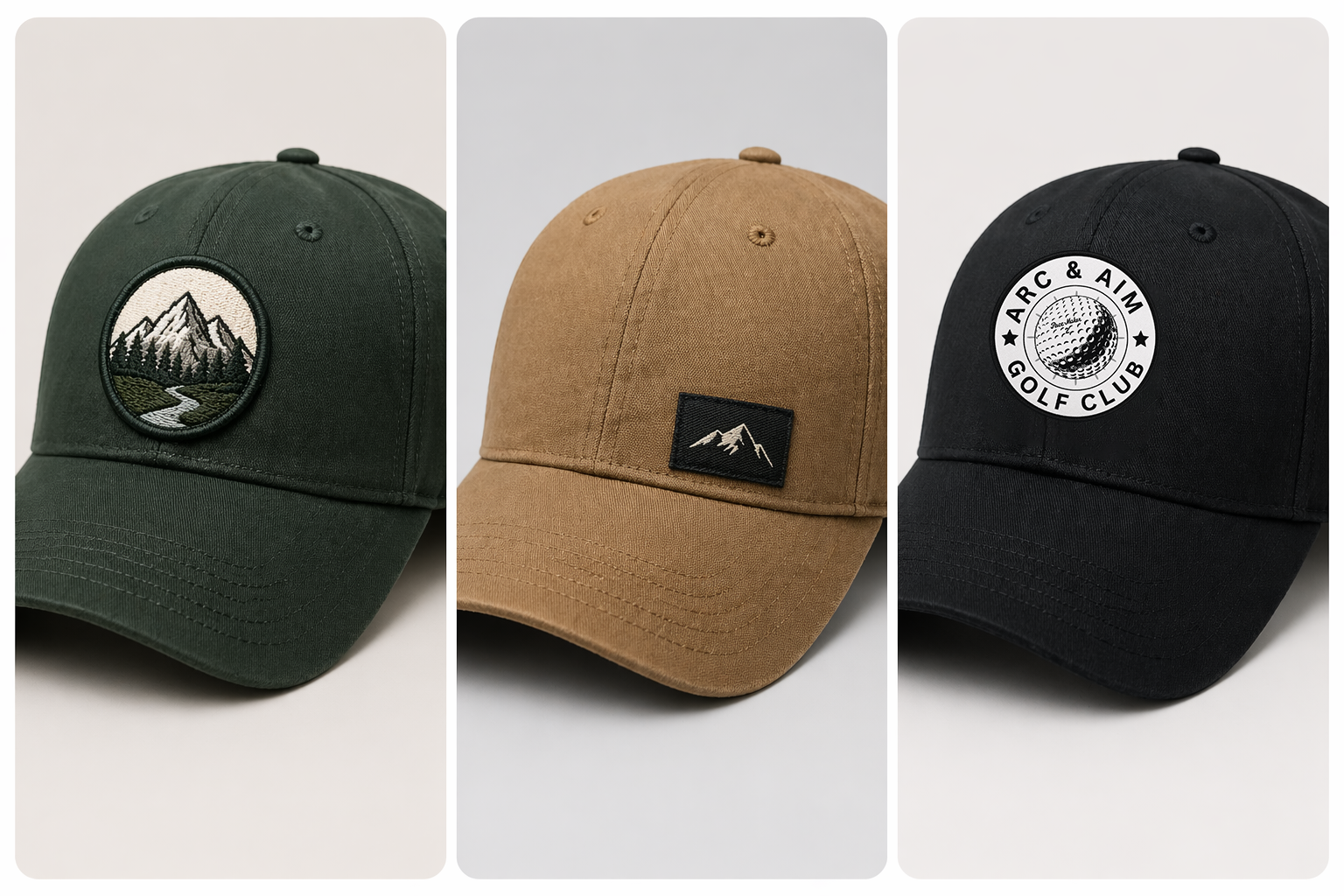
The smarter approach is closer to how real retail products are made. You don’t build the product first. You build the branding components first, then apply them across products. This is where Apliiq changes the model. Instead of relying entirely on direct embroidery, the focus shifts to:
- printed patches
- embroidered patches
- woven labels
These are created upfront, stored, and then applied on demand. It’s a small operational shift, but strategically it’s massive.
The Shift Most People Miss
Most creators focus on the design file. The smarter move is to focus on the system behind the product. When you build branded elements up front, you separate the two. Your design becomes more flexible. Your production becomes more efficient. And your margins improve without you having to constantly adjust pricing. It’s a quieter shift, but it changes everything about how you scale.
Why This Actually Looks Better Too
There’s a misconception that lowering cost means compromising on quality.
In this case, the opposite is true. Embroidery forces you to simplify. It flattens ideas into what stitching can handle. Patches expand what’s possible. You can introduce detail, depth, color variation, and, more importantly, structure. A patch frames the design. It gives it presence.
That’s why it feels closer to retail.
That’s why it stands out.
So you’re not just saving money. You’re making a better product.
What Retail-Ready Actually Means Now
If you look at hats in real retail environments, they rarely rely on raw embroidery alone. There’s almost always an added layer of branding, patches, labels, and finishing details that make the product feel complete.
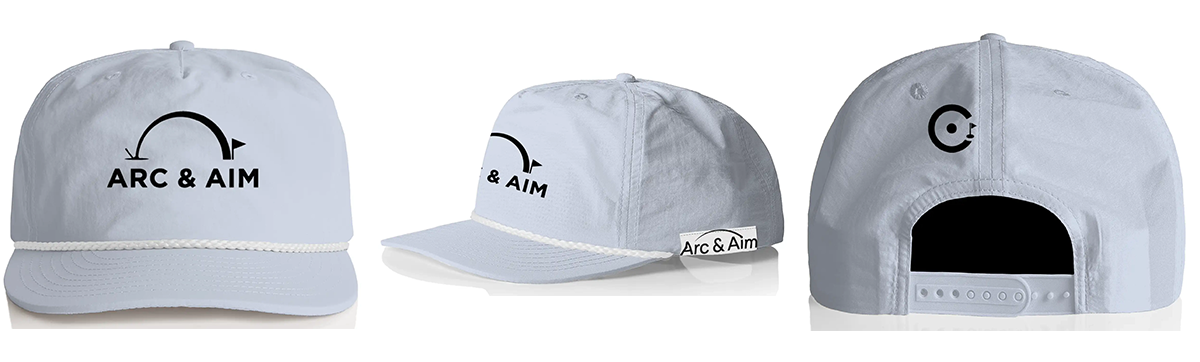
That’s what customers are used to now, even if they don’t consciously think about it. A hat with a well-designed patch and a subtle woven label doesn’t feel like print on demand. It feels like something that belongs on a shelf. And that’s the standard you’re competing with.
Why This Changes Margins Completely
Once you separate branding from production, your cost structure changes. A traditional embroidered hat can cost anywhere from $12 with preferred pricing to $16, depending on the setup. That’s a heavy base before you even think about margin.
But when you translate that same design into a patch, the economics shift. A patch can cost close to a dollar to produce. Once it’s made, it can be applied across multiple units without repeating the full embroidery cost every time.
The result is simple: lower cost of goods, often by a significant margin – sometimes approaching forty percent depending on the setup.
Where the New Mockups Change the Game
With the latest mockups released by Apliiq, especially around rope caps and bucket hats, you can actually visualize this entire strategy before you even launch.
Rope caps already carry a strong identity. The structure, the rope detail, the slightly vintage feel, it’s a silhouette that naturally stands out. When you place a clean, well-designed patch on a rope cap, it doesn’t just look good; it looks like a finished product – something you’d expect from an established brand, not a first-time drop.

Bucket hats move differently. They’re more relaxed, more expressive, and they give you more surface area to play with. A patch on a bucket hat feels less like branding and more like a design statement. It opens up creative directions that embroidery alone usually can’t support.
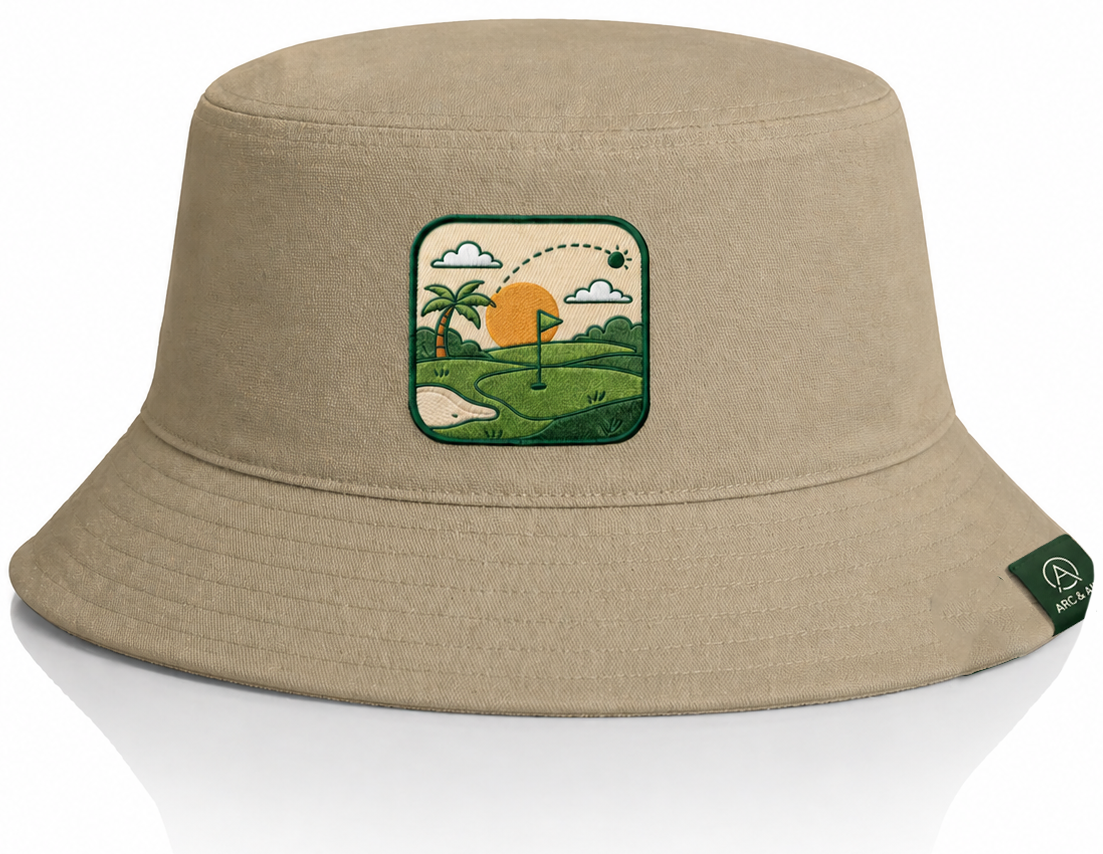
What these mockups do is remove the guesswork. You’re not imagining how a patch-based design might look; you’re seeing it in context, on silhouettes that are already trending. And that makes it much easier to build something with confidence.
From First Product to Real Brand
- If you’re just starting, this approach gives you an edge immediately. Instead of launching with something that looks like a standard POD product, you’re starting with something that already feels considered.
- If you’re scaling, it becomes even more powerful. The same patch can be used across multiple hat styles, different colors, and even across categories. And that’s how brands actually grow.
Before You Go
The promise here is simple. If you want to sell hats and do it mostly on demand, we have a really great way of doing that. Better margins and better hats don’t come from working harder on the same process. Direct embroidery is what every platform offers by default.
But if you want to build something that stands out and actually makes money, you need a different approach. Build the branding first. Use tools like patches and labels the way real brands do.
That’s where better margins come from.
That’s where better products come from.