
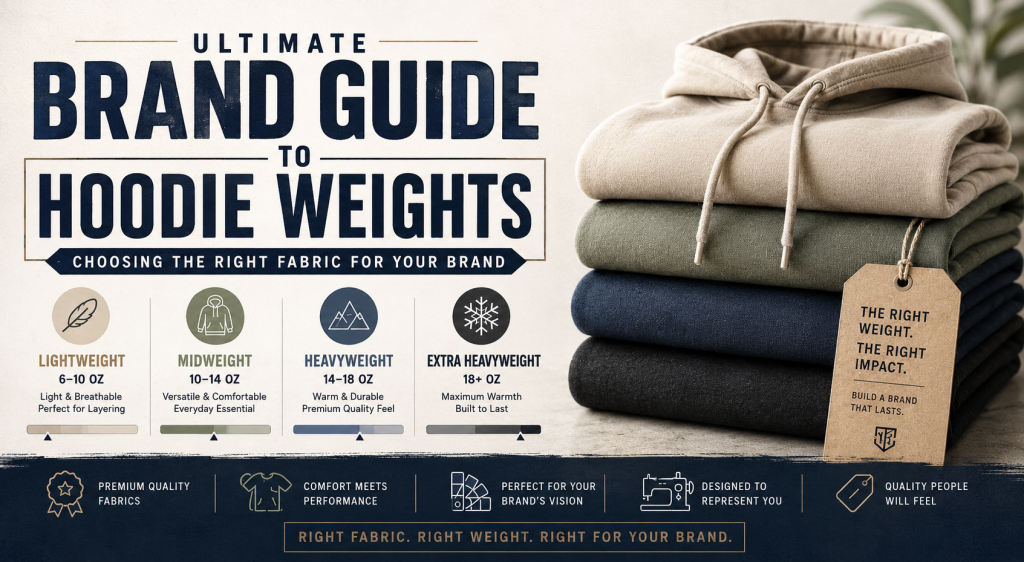
Why Hoodie Weight Matters More Than Most Brand Owners Think
When building a clothing brand, it’s easy to focus on the visible parts of a product. Most founders spend hours refining artwork, selecting colors, perfecting logos, and planning product launches. While those elements certainly matter, one of the biggest factors influencing customer satisfaction often gets overlooked: hoodie weight.
The reality is that customers don’t just buy designs. They buy products they want to wear repeatedly. A hoodie may look incredible in product photos, but if it feels too thin, lacks structure, or doesn’t match customer expectations, that excitement can disappear quickly. On the other hand, when a hoodie feels comfortable, substantial, and well-made, customers notice immediately. That positive experience often translates into better reviews, repeat purchases, and stronger word-of-mouth marketing.
For modern apparel brands, understanding hoodie weights is no longer optional. As consumers become more educated about garment quality, fabric weight has become an important part of how products are evaluated. Whether you’re launching a streetwear collection, a lifestyle brand, or a print-on-demand business, choosing the right hoodie weight can directly influence how customers perceive your brand.
Understanding Hoodie Weight and GSM
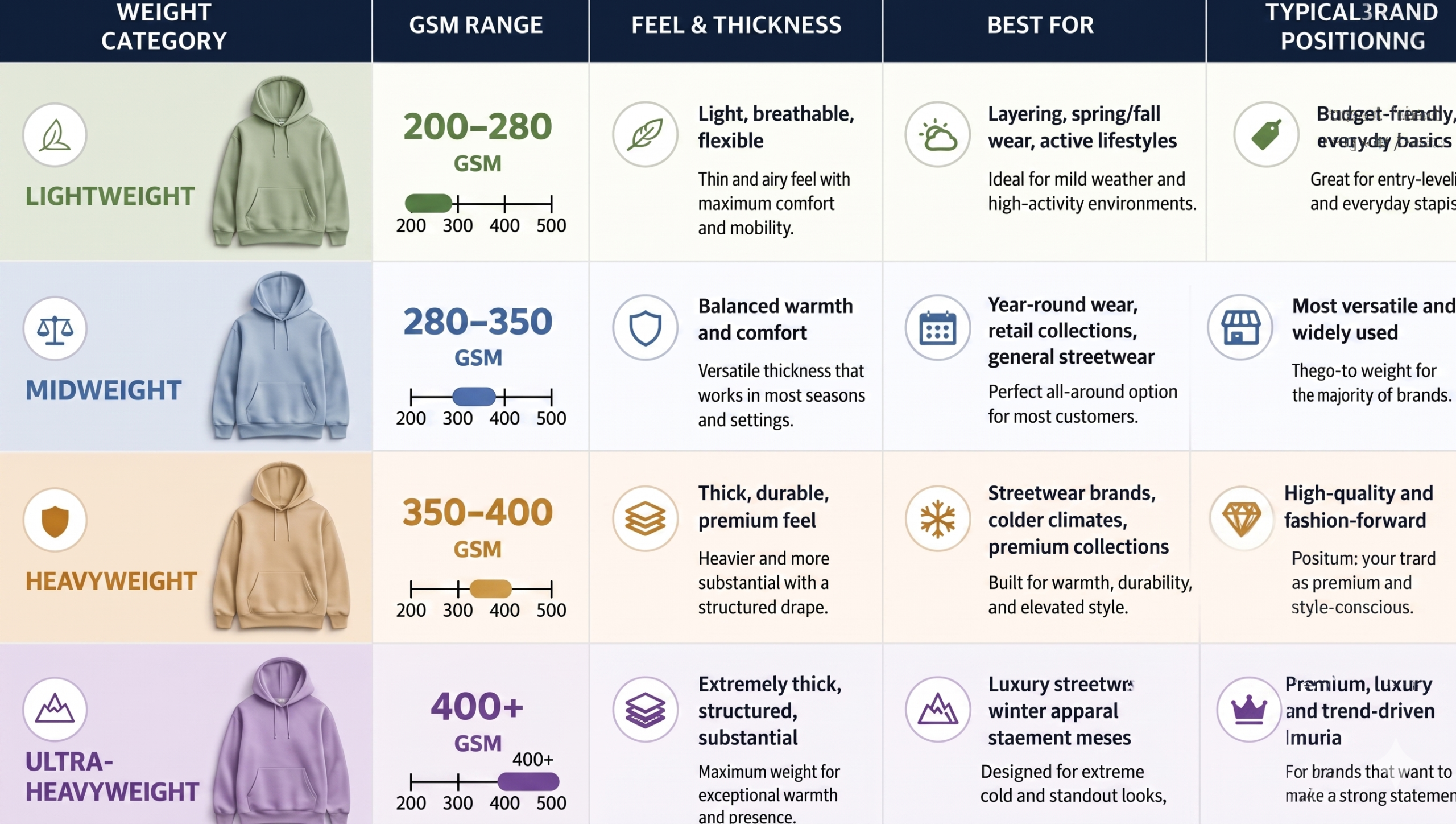
Unlike custom t-shirts, which are often described using ounces, hoodies are commonly categorized by GSM, or grams per square meter. GSM measures fabric density and provides a useful way to compare the overall weight and feel of different garments.
A lower GSM generally indicates a lighter, more breathable hoodie, while a higher GSM typically results in a thicker, heavier, and more structured garment. Although most customers may never ask about GSM specifically, they absolutely notice the differences that fabric weight creates. The warmth of the garment, the way it drapes, the durability of the fabric, and the overall perception of quality are all influenced by hoodie weight.
Lightweight Hoodies: Comfort and Versatility
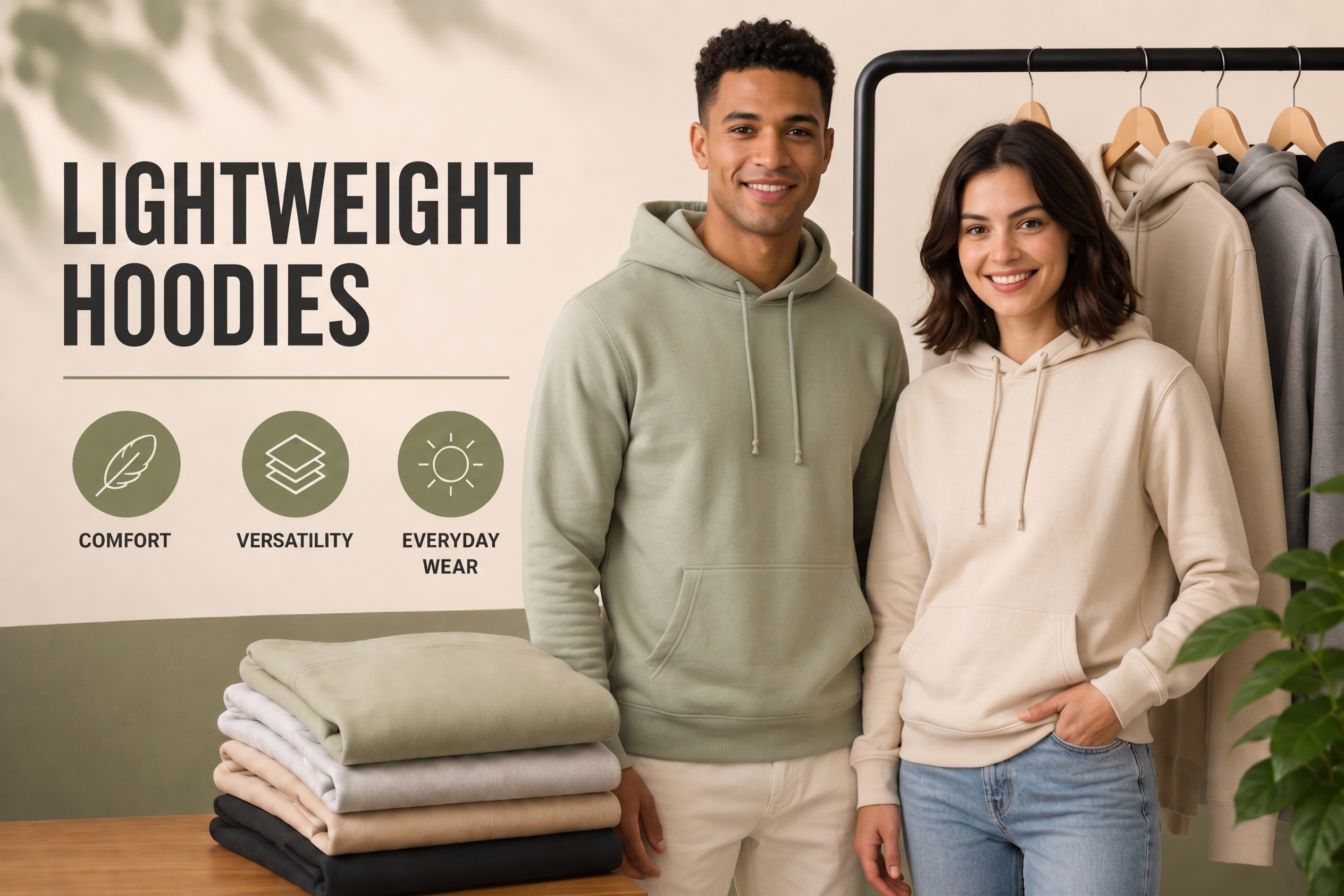
Lightweight hoodies are designed for flexibility and everyday wear. Their lighter construction makes them ideal for layering, transitional weather, and customers who prefer a less bulky garment. Brands targeting warmer regions often find lightweight hoodies particularly appealing because they can be worn throughout more of the year.
For fitness, outdoor, and active lifestyle brands, lightweight options can be a natural fit. Customers appreciate the freedom of movement and breathable feel, especially when the hoodie is intended for casual activity rather than cold-weather protection. Styles like the Unisex Lightweight Hooded Sweatshirt(AFX90UN) offer an easy-to-layer option for training, hiking, and everyday wear, while the Women’s Lightweight Wash Hooded Sweatshirt(PRM2500) brings a soft, lived-in aesthetic that aligns perfectly with wellness, outdoor, and lifestyle-focused collections. Both styles are designed to deliver comfort without unnecessary bulk, making them ideal for customers who want versatility on the go. Lightweight hoodies can also help keep product pricing accessible, which may appeal to brands focused on broad customer reach
However, it’s important to understand the trade-off. While lightweight garments excel in comfort and versatility, they may not create the premium first impression many customers associate with luxury apparel or modern streetwear. If your brand positioning revolves around elevated quality and premium craftsmanship, a heavier garment may better support that message.
Midweight Hoodies: The Most Versatile Choice
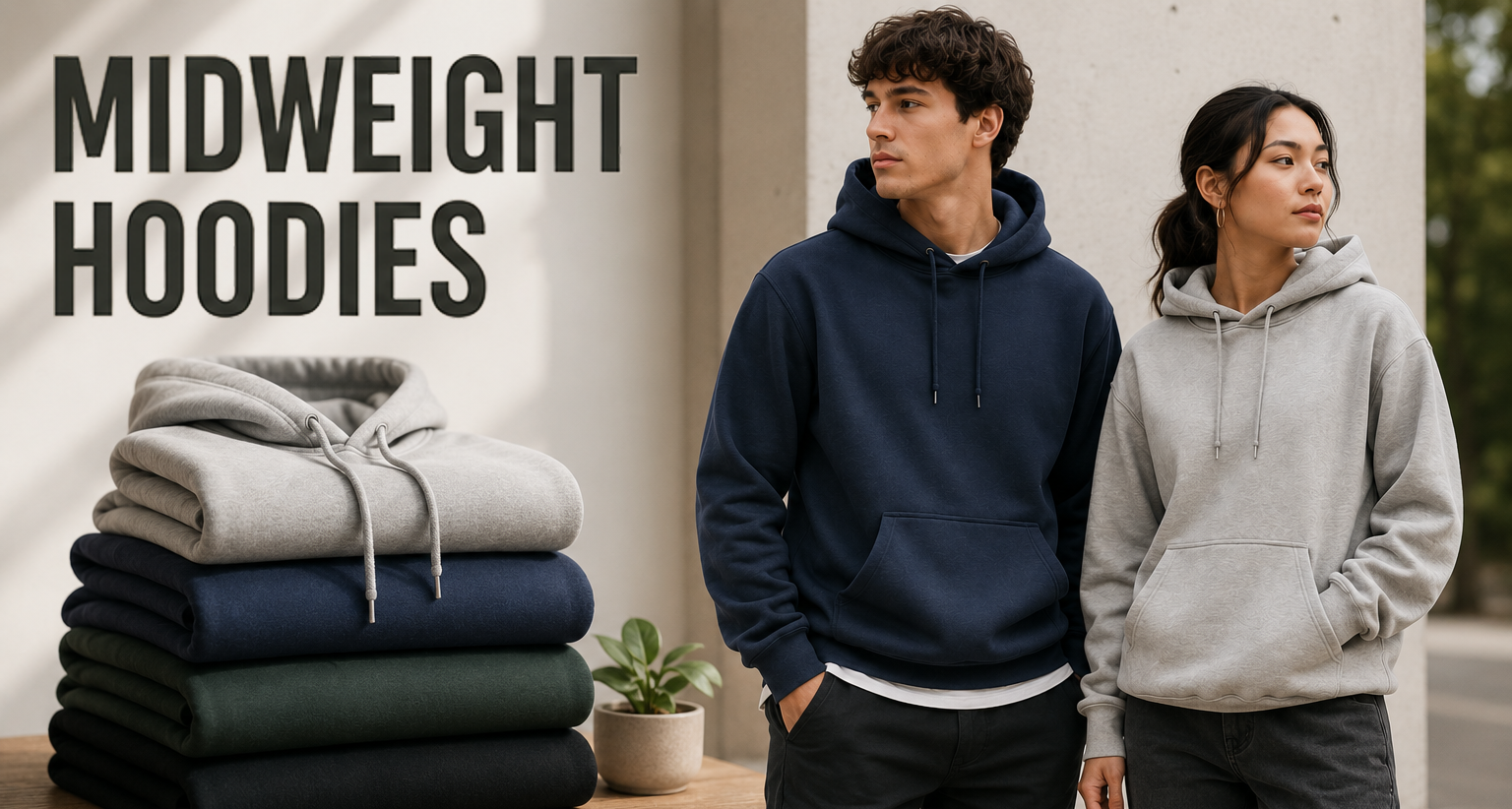
For many apparel businesses, custom midweight hoodies represent the ideal balance between comfort, durability, and value. This category has become the backbone of countless successful clothing brands because it appeals to such a wide range of customers.
Midweight hoodies provide enough structure to feel substantial while remaining comfortable across multiple seasons. Customers often view them as dependable everyday garments that work equally well for relaxing at home, running errands, traveling, or layering during cooler weather. For brands looking to offer versatile midweight options, the Independent Pullover Hoody delivers a premium feel with reliable durability, making it a strong choice for lifestyle and streetwear collections. The Gildan Pullover Hoody, meanwhile, offers classic comfort and broad appeal, making it an excellent option for brands seeking an accessible everyday staple. Both styles strike a balance between comfort and practicality, helping brands create products that customers can wear throughout the year.
From a business perspective, midweight hoodies are frequently the safest investment. They satisfy customer expectations without dramatically increasing production costs, making them an excellent choice for both new and established brands. If you’re uncertain about which weight category will resonate with your audience, midweight options often provide the most flexibility.
Heavyweight Hoodies and the Rise of Premium Streetwear
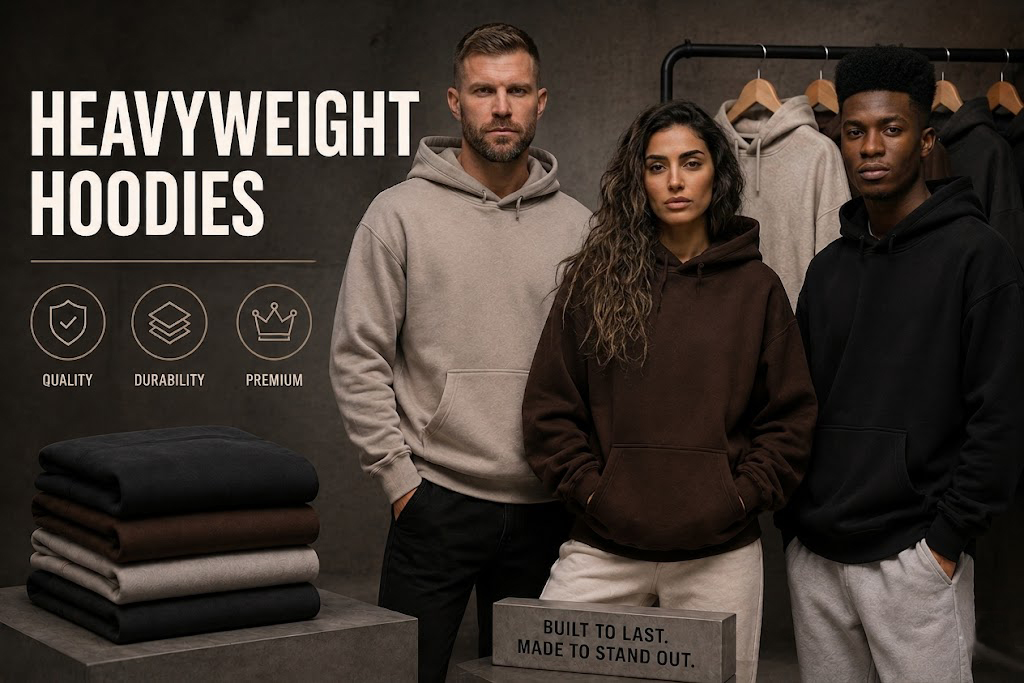
Over the past decade, custom heavyweight hoodies have become increasingly popular as streetwear and premium apparel have continued to influence consumer preferences. Customers today are far more aware of garment quality than they were in the past, and many actively seek out heavyweight hoodies because they associate heavier fabrics with better construction and greater durability.
A heavyweight hoodie immediately feels different. The fabric is denser, the structure is more substantial, and the overall garment often drapes in a way that feels intentional and elevated. These qualities can significantly impact perceived value, which is why premium brands often choose styles like the Independent Heavyweight Pullover Hoodie (IND4000) and the Heavy Organic French Terry Hood (HWHOOD). Both offer a substantial feel and elevated look that help support premium positioning while delivering the comfort and durability customers expect from heavyweight apparel.
For streetwear labels, luxury-inspired collections, and brands focused on premium positioning, heavyweight hoodies can become a powerful differentiator. Customers who invest in these products are often looking for more than warmth; they’re looking for quality, durability, and a garment that feels special every time they wear it.
The growing popularity of oversized silhouettes has also contributed to demand for ultra-heavyweight hoodies, many of which exceed 400 GSM. These garments blur the line between traditional hoodies and outerwear, offering a premium experience that resonates strongly with today’s fashion-conscious consumers.
How Hoodie Weight Influences Brand Growth
Many apparel entrepreneurs focus heavily on acquiring new customers, but long-term growth often depends on retaining existing ones. The products customers love most are the products they wear most often, and garment quality plays a significant role in determining whether that happens.
When a customer receives a hoodie that exceeds expectations, they’re more likely to leave positive reviews, recommend the brand to friends, share content on social media, and return for future purchases. These actions create momentum that advertising alone cannot replicate.
Choosing the right hoodie weight helps create those positive experiences. A thoughtfully selected garment communicates that your brand values quality and understands its audience. Over time, those details contribute to stronger customer loyalty and a more recognizable brand identity.
Choosing the Right Hoodie Weight for Your Brand
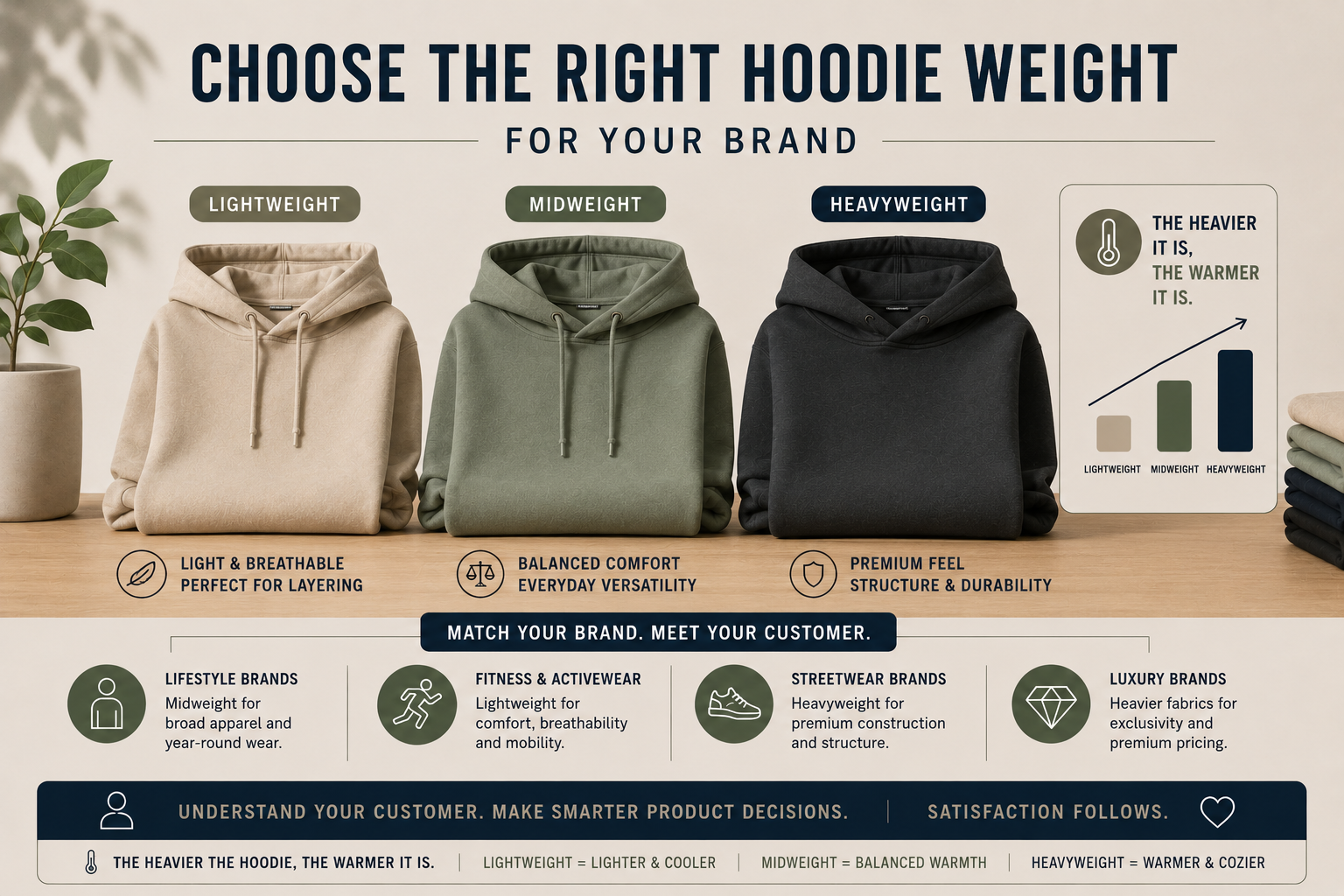
There is no universal “best” hoodie weight. The ideal choice depends entirely on your audience, brand positioning, and product strategy.
Lifestyle brands often find success with midweight garments because they offer broad appeal and year-round versatility. Fitness and activewear companies may prefer lighter fabrics that prioritize comfort and mobility. Streetwear brands frequently gravitate toward heavyweight and ultra-heavyweight options because customers expect premium construction and structured silhouettes. Luxury-focused brands may use heavier fabrics to reinforce exclusivity and justify premium pricing.
The most successful brands start by understanding their customers rather than chasing trends. When product decisions align with customer expectations, satisfaction tends to follow naturally.
Creating Premium Hoodies with Apliiq
While fabric weight is an important part of the equation, creating a memorable product requires more than selecting the right blank garment. Customers notice the details that make apparel feel like a genuine brand rather than a generic product.
This is where Apliiq helps clothing brands elevate their collections. Through services such as relabeling, neck printing, custom embroidery, and custom patches, brands can transform standard garments into retail-ready products that deliver a more professional customer experience. These details strengthen brand recognition while helping products stand out in an increasingly competitive marketplace.
Apliiq’s print-on-demand model also allows entrepreneurs to launch custom hoodie collections without committing to large inventory purchases. This flexibility makes it easier to experiment with new products, test ideas, and scale confidently as demand grows.
Building a Collection Beyond Hoodies
While hoodies are often a cornerstone product, successful apparel brands rarely stop there. Customers who connect with a brand often want additional ways to engage with it, which is why many businesses expand into complementary categories such as custom t-shirts, custom sweatshirts, custom tank tops, custom shorts, and custom hats.
Offering multiple product categories creates opportunities to increase average order value while building a stronger brand ecosystem. Features such as custom embroidery, custom patches, relabeling, and neck printing help maintain consistency across the entire collection. Including plus-size apparel can further expand your reach by making products accessible to a broader audience.
Rather than focusing on individual products, the goal should be creating a cohesive collection that reflects your brand’s identity and encourages long-term customer loyalty.
Final Thoughts
Hoodie weight may seem like a technical detail, but its impact extends far beyond fabric specifications. The weight of a hoodie influences comfort, perceived quality, customer satisfaction, pricing potential, and ultimately your brand’s growth.
Whether you choose a lightweight hoodie for versatility, a midweight garment for everyday wear, or a heavyweight option for premium streetwear, the key is selecting products that align with your customers’ expectations. When combined with thoughtful branding elements like custom embroidery, relabeling, neck printing, and custom patches, the right hoodie becomes more than apparel—it becomes part of the experience customers associate with your brand.
The brands that grow strongest over time are often the ones that pay attention to details others overlook. Hoodie weight is one of those details, and choosing wisely can help transform a simple garment into a product customers return to again and again.