
Starting a Shopify store today is honestly easier than ever. You can launch something in a single day if you really want to. The real challenge begins after that—building a store that actually feels trustworthy enough for people to buy from.
A big part of that first impression comes down to your theme.
Your Shopify theme controls how your products are displayed, how your brand is perceived, and how smooth the entire shopping experience feels. It’s not the only factor behind conversions, but it definitely shapes how people judge your store within the first few seconds.
The good part? Your backend setup doesn’t really change based on your theme. Tools like Apliiq work across all Shopify themes, so you don’t need to stress about compatibility. That means you can focus fully on choosing the right look, feel, and experience for your brand.
Instead of looking at just free or just paid options, it makes more sense to see both sides.
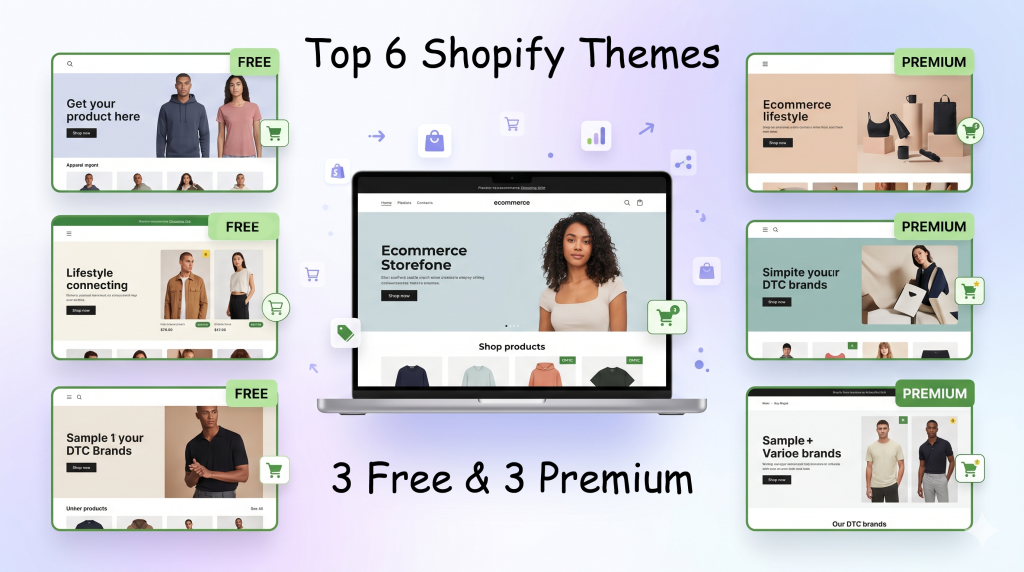
So here are 6 Shopify themes people are actually using—3 free and 3 premium—and what they’re really like once you start working with them.
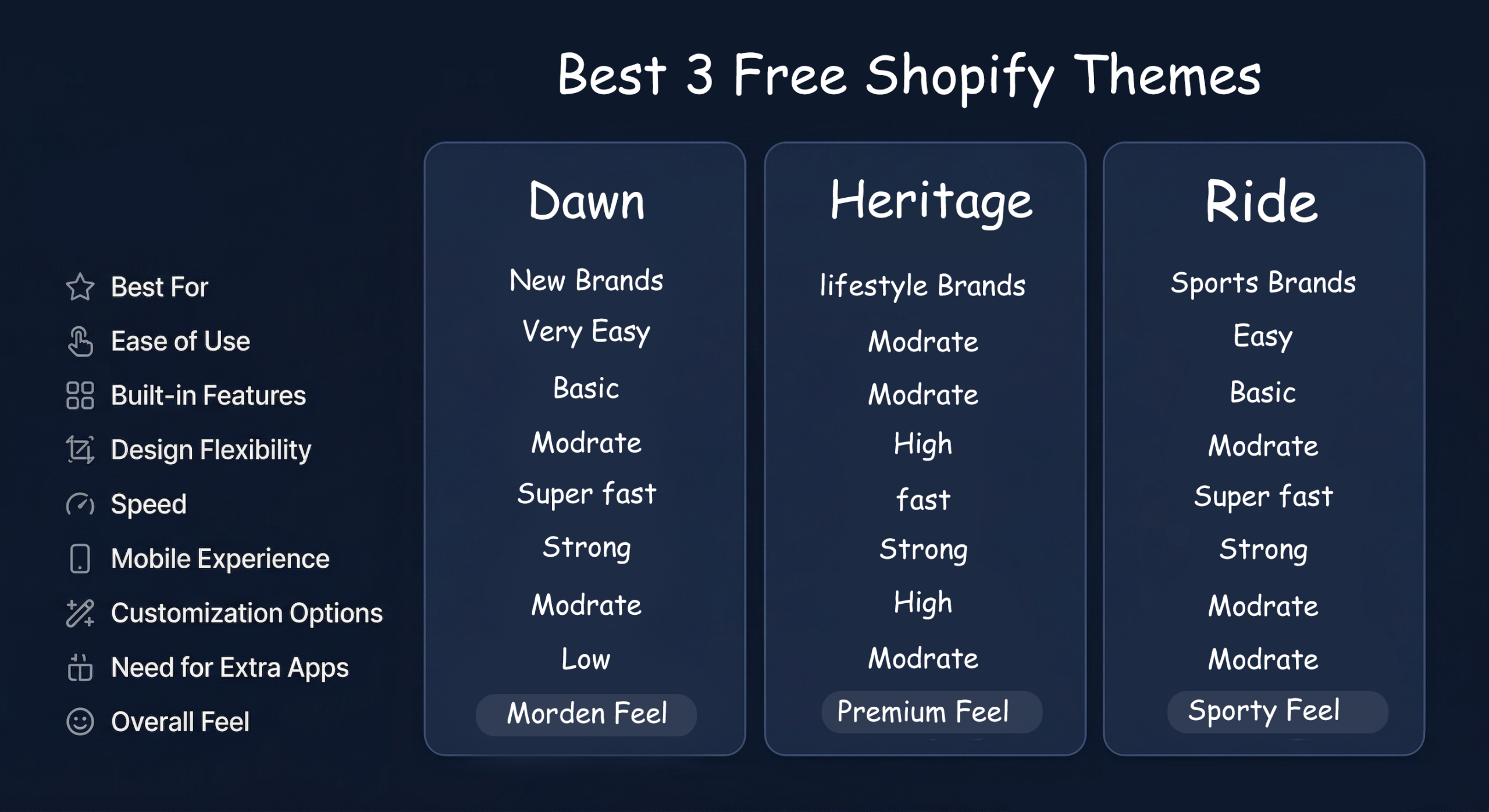
3 Best Free Shopify Themes For Fashion Brands
1) Dawn – Best for Speed and Simplicity
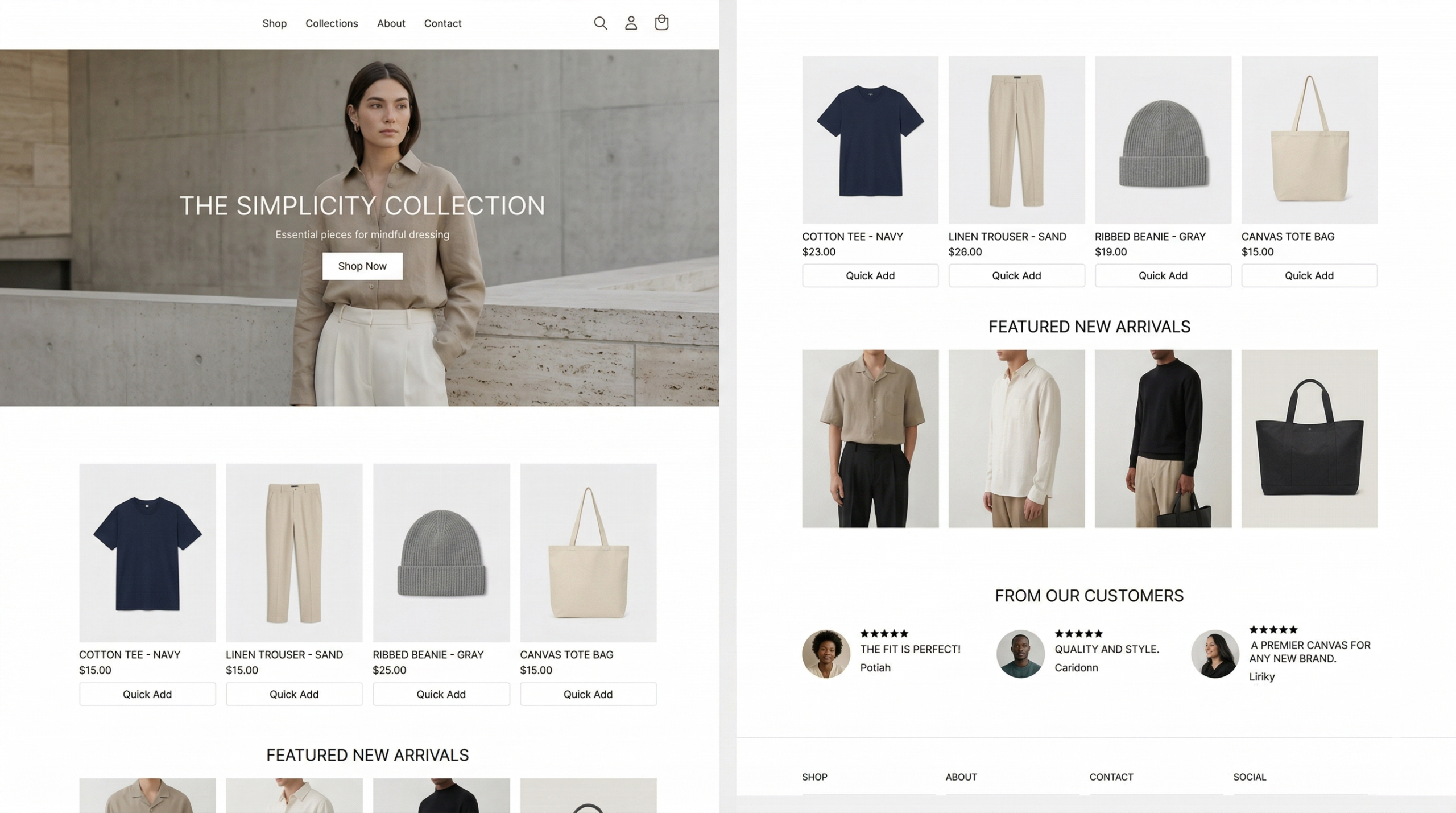
Dawn is Shopify’s default free theme, and it’s still one of the smartest choices—especially when you’re starting out.
At first, it can feel almost too simple. But that’s exactly the point.
Dawn is built for performance. It loads fast, feels lightweight, and keeps the focus exactly where it should be—on your products. There are no distractions, no unnecessary design elements, just a clean structure that helps customers browse easily.
This makes it perfect for clothing brands, print-on-demand stores, and any business where product visuals do most of the selling.
The trade-off is that it doesn’t include advanced features like upsells, bundles, or promotional sections. If you want those, you’ll likely need apps later—which can add cost over time.
Still, if your goal is to launch quickly with a clean, trustworthy-looking store, Dawn does the job really well.
2) Ride – Best for Bold and Modern Brands
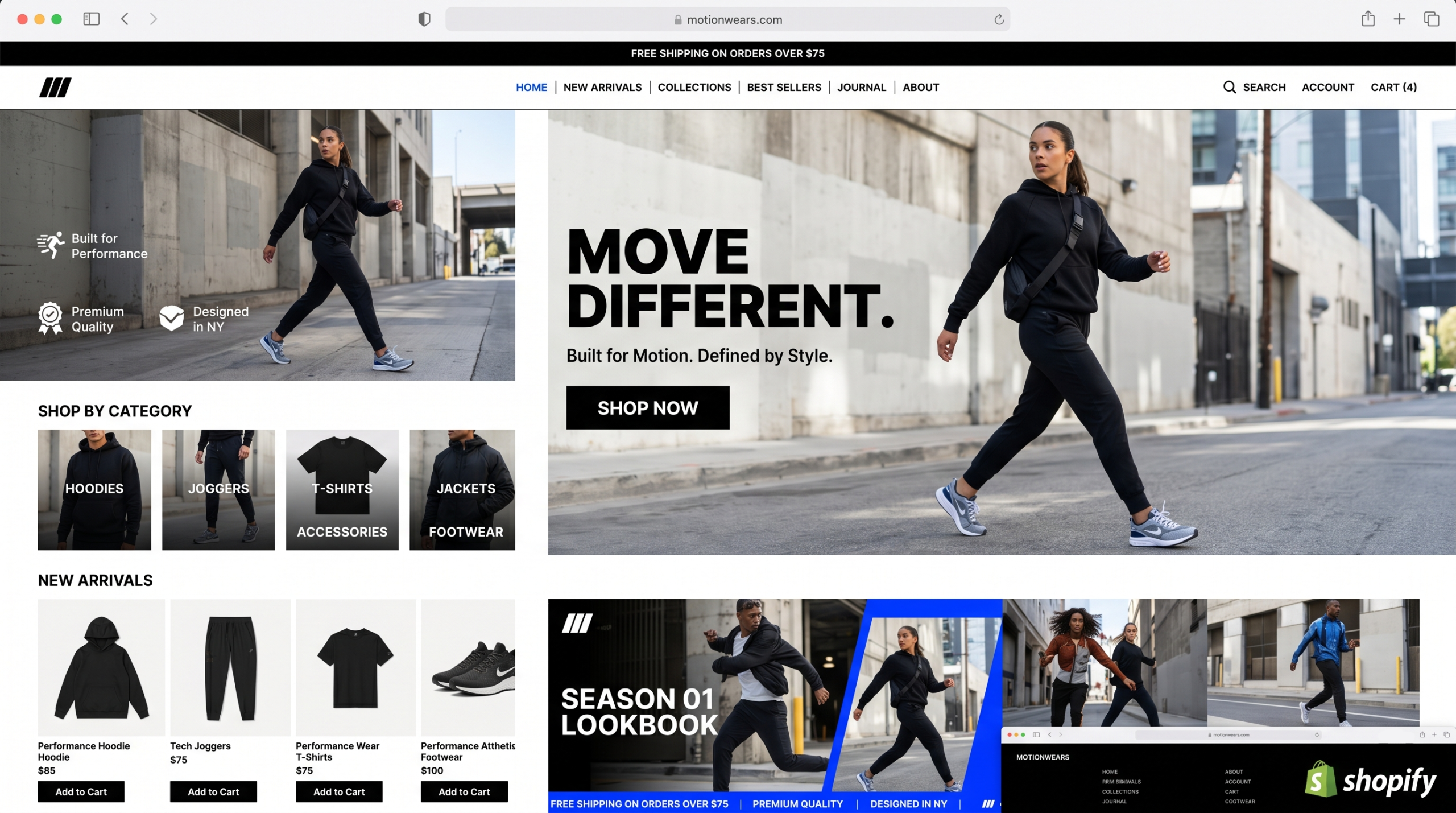
If Dawn is minimal, Ride is the opposite.
Ride is designed for brands that want to stand out immediately. The typography is bigger, the layout feels more energetic, and the overall design pushes a stronger visual identity.
This makes it a great fit for streetwear, fitness brands, and modern fashion stores.
One of the biggest advantages here is that Ride helps your store feel more “designed” without needing a designer. It naturally gives your brand more personality straight out of the box.
But there’s a catch—this theme relies heavily on visuals. If your product images or branding aren’t strong, it can actually make that more obvious.
If you already have solid visuals, though, Ride can make your store look far more premium than most free themes.
3) Heritage – Best for Storytelling and Premium Feel
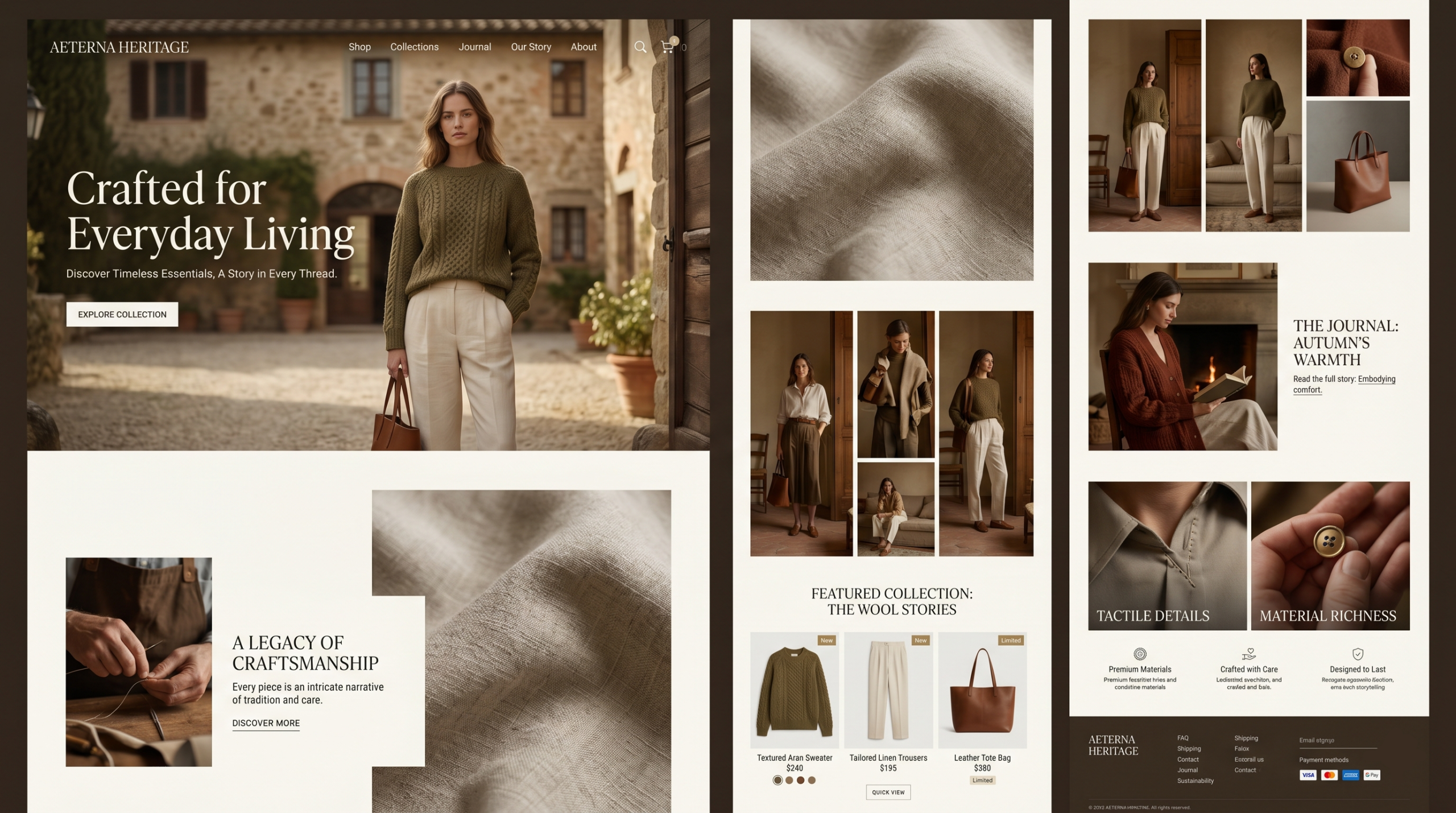
Heritage takes a completely different approach.
Instead of bold visuals, it focuses on storytelling and creating a more refined, editorial-style experience. It’s perfect for brands that want to feel thoughtful, premium, and intentional.
If you’re selling handmade products, sustainable fashion, or premium basics, this theme gives you the space to communicate your story properly.
A lot of store owners wonder how to make their store feel premium without paying for an expensive theme. Heritage does a great job of solving that.
But it expects more from you. Since the design leans heavily on storytelling, your product descriptions, brand messaging, and visuals need to be strong.
If done right, it can make even a small store feel established and trustworthy.
3 Best Premium Shopify Themes For Fashion Brands
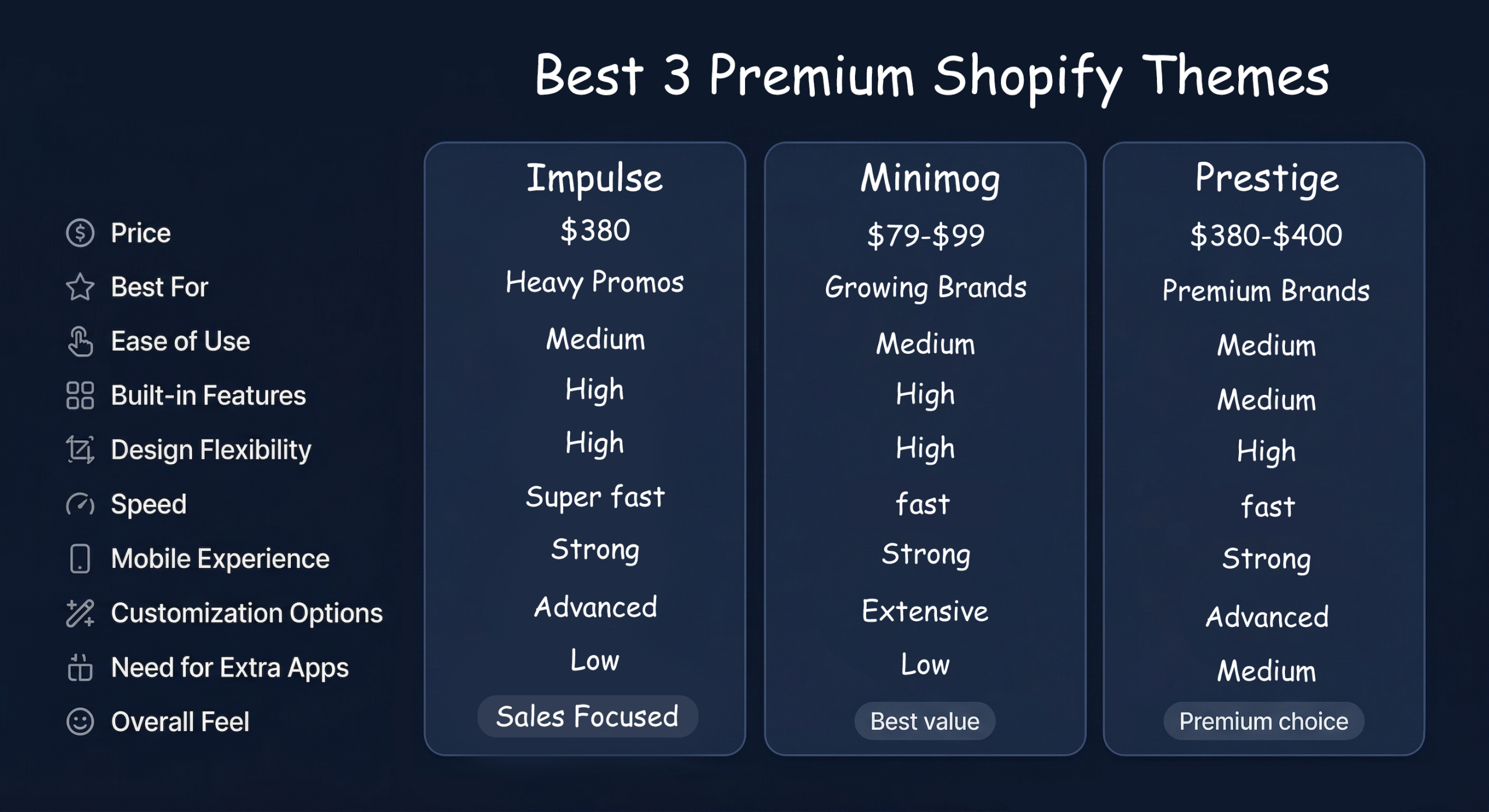
4) Minimog – Packed With Features, Built to Scale
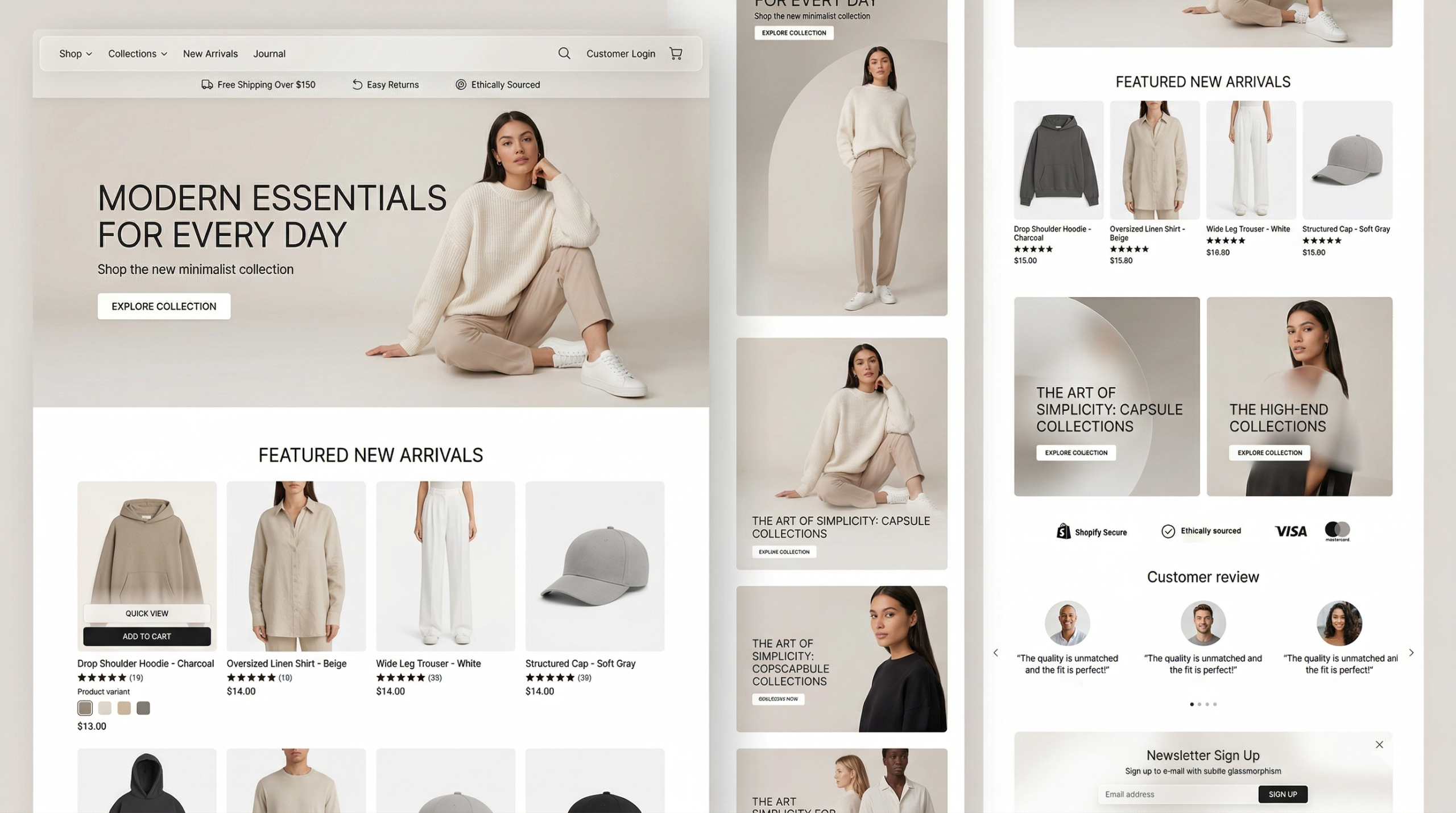
Minimog is one of those themes you’ll see recommended a lot, especially for clothing brands.
And once you use it, you understand why.
It’s built to do a lot. Instead of relying on multiple apps, Minimog already includes features like upsells, product bundles, quick views, and more. That can save you both money and setup time early on.
Visually, it’s also quite clean. Even if you’re not a designer, you can build something that looks polished fairly quickly.
But there’s a trade-off.
Because it includes so many features, it can feel a bit heavy. If not configured properly, it might not be as fast or smooth as simpler themes. And for beginners, the number of options can feel overwhelming at first.
Overall, Minimog gives you a lot of control—but you’ll need to invest a bit of time to really use it well.
5) Prestige – Best for High-End Brand Experience
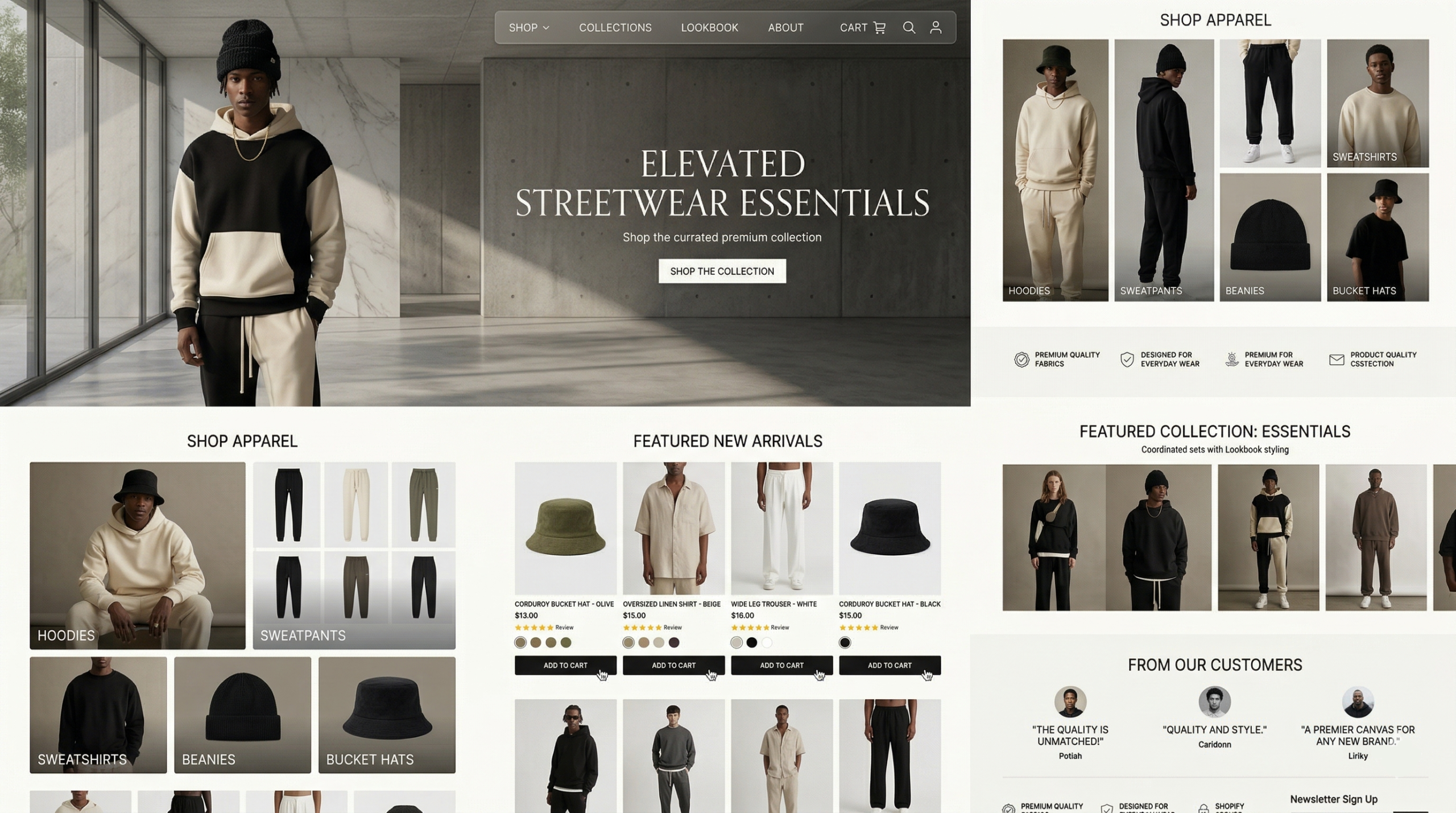
Prestige sits in a completely different category.
It’s less about features and more about perception.
Everything—from spacing to layout—feels like a high-end fashion website. It’s designed for brands that care deeply about presentation and want their store to look premium from the first click.
If you have strong visuals and branding, this theme can elevate how your products are perceived. The same product can genuinely feel more valuable just because of how it’s presented.
But it comes at a price—usually around $380–$400.
It also won’t fix weak branding. In fact, it can make it more noticeable.
So Prestige works best for brands that already have a clear identity and want to take things to a more premium level.
6) Impulse – Best for Marketing and Conversions
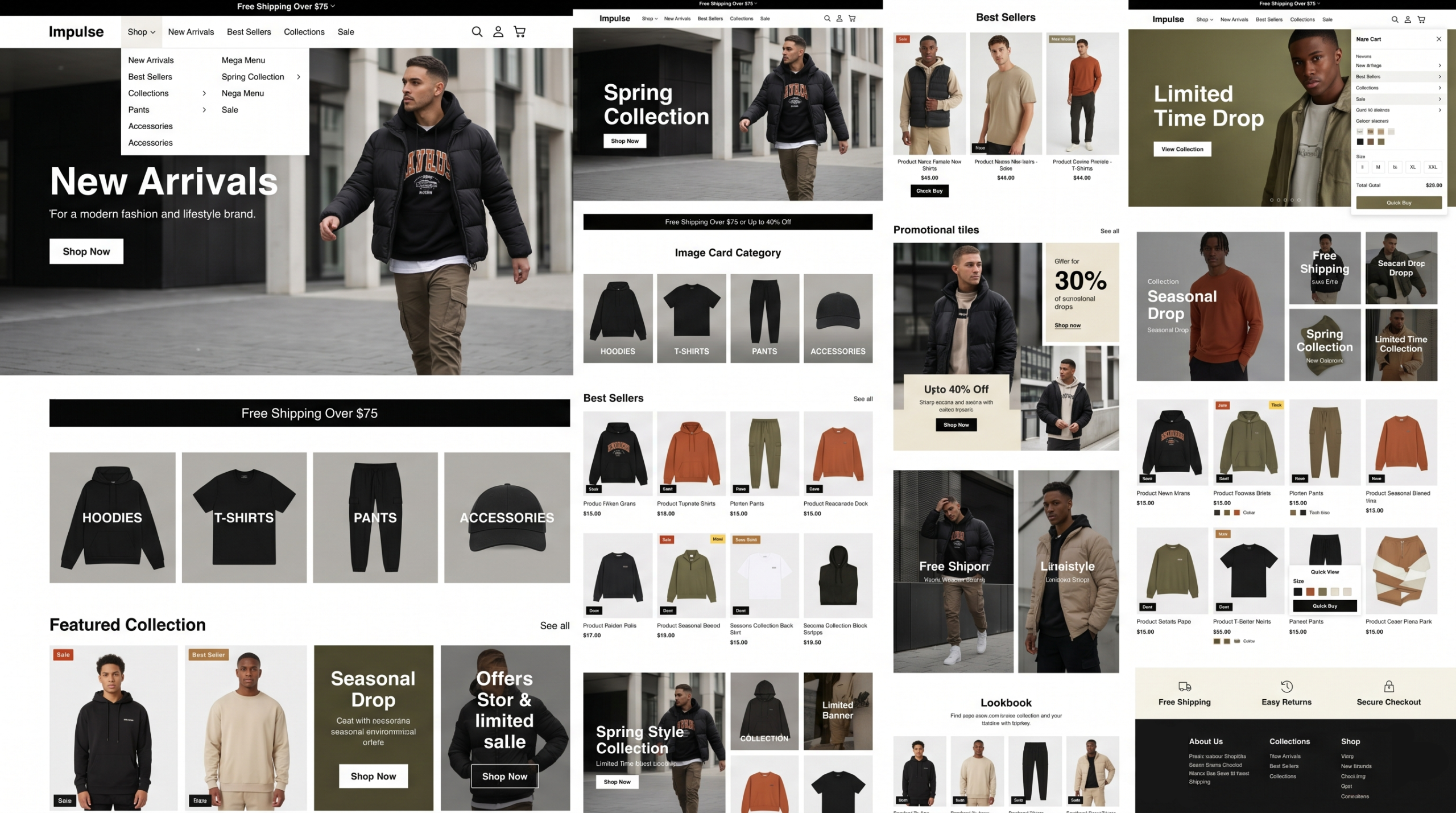
Impulse is another popular premium theme, especially for brands focused on growth and marketing.
It’s designed to help you sell more.
It includes built-in promotional sections, advanced filtering, custom collection layouts, and strong merchandising features. This makes it ideal for stores with larger catalogs or brands running frequent campaigns.
Compared to Minimog, Impulse feels more focused on conversion rather than just features.
However, like most advanced themes, it takes some time to fully understand and set up properly. It’s not as beginner-friendly as something like Dawn.
But if your goal is scaling and optimizing conversions, Impulse gives you the tools to do that effectively.
Which Shopify Theme Should You Choose?
It depends on what you’re trying to achieve.
If your priority is speed and simplicity, Dawn is the safest choice.
If you want bold visuals and a strong brand presence, Ride is a better fit.
If you care about storytelling and a premium feel without spending money, Heritage works well.
On the premium side:
If you want built-in features and flexibility, Minimog is a strong option.
If your focus is on creating a luxury brand experience, Prestige stands out.
If you’re thinking about scaling and conversions, Impulse is a smart pick.
Instead of asking which theme is best overall, ask which one supports your business goals.
Final Thoughts
There’s no single “best” Shopify theme. Your theme supports your store, but it doesn’t define it. What really matters is how clearly you present your products, how strong your branding is, and how easy you make it for someone to trust you enough to buy. The right theme simply helps you do that better.
Pick the one that aligns with your vision, and focus on building a store that feels real, clear, and worth buying from. That’s what actually moves the needle.