
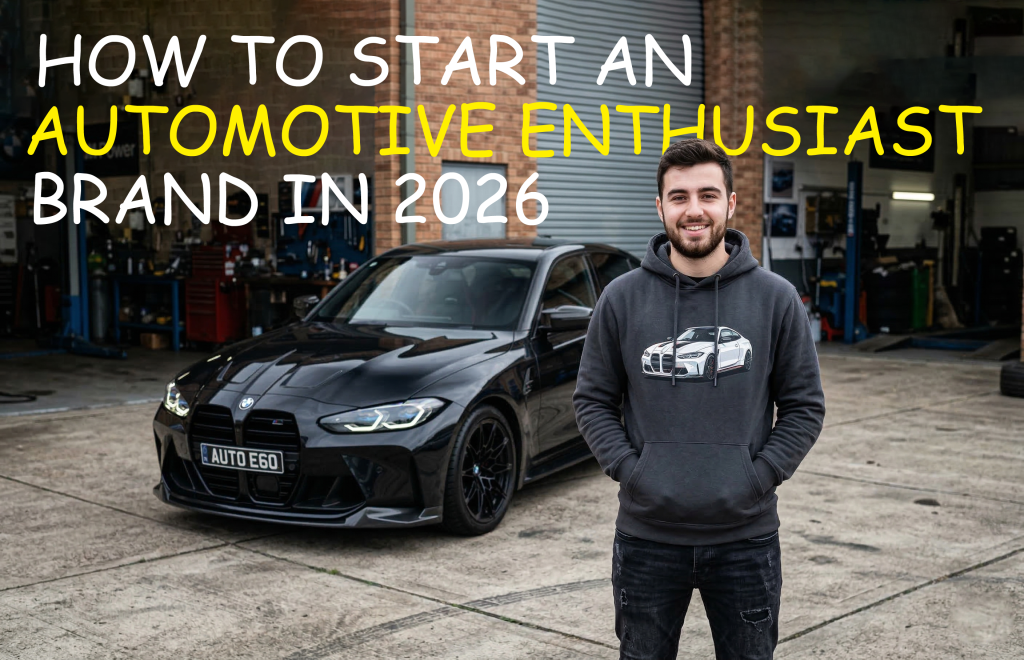
In 2026, automotive culture is no longer confined to garages and highways—it’s a full-fledged lifestyle. From street builds and track days to off-road adventures and weekend car meets, enthusiasts are expressing their identity far beyond their vehicles. One of the biggest ways this culture shows up today is through clothing.
Starting an automotive enthusiast clothing brand starts with putting car graphics on t-shirts and creating something that reflects the mindset, passion, and personality of a specific community. If done right, your brand becomes something people wear with pride—not just apparel, but representation.
And with platforms like Apliiq, building that kind of brand has become more accessible than ever for both new and experienced founders—especially when you know how to use its features strategically.
Define Your Niche Within Automotive Culture
The automotive space is massive, and trying to appeal to everyone is one of the fastest ways to get ignored. The most successful clothing brands today are built around a clear niche.
You might connect with JDM enthusiasts, muscle car lovers, drifting culture, overlanding communities, or even minimal automotive aesthetics. Each of these audiences has a distinct style and identity. When you focus on one, your brand immediately becomes more authentic and relatable.
A strong niche also makes your designs sharper, your messaging clearer, and your marketing more effective. Instead of guessing what works, you start building directly for people who already share your passion.
If you’re drawn to JDM culture—the clean builds, neon-lit night drives, and precision styling—you can build around Oversized and Streetwear Collection, using oversized fits, drop shoulders, jumbo prints, and sleeve prints to reflect that bold, expressive identity.
If muscle cars are more your style, a Heavyweight and Workwear Collection is a perfect fit. Think heavyweight hoodies, distressed tees, durable fabrics, and functional details like zippers and kangaroo pockets that reflect raw power and heritage.
For drifting culture, you can create a Lightweight Collection built on lightweight layers, windbreakers, and sportswear-inspired pieces that capture speed, motion, and energy both on and off the track.
If your passion lies in overlanding and outdoor builds, a Utility Outdoor Collection focused on windbreakers, UV protection, and rugged headwear like structured caps and rope hats can bring that lifestyle into your brand.
And for those who prefer a more refined, subtle approach, a Minimal Premium Collection built around clean designs, premium fabrics, and elevated details like 3D embroidery and custom hood liners can create a strong, understated identity.
Once you’ve identified your niche, you can start translating that identity into real products—and this is where Apliiq can help you quickly prototype and test niche-specific designs without committing to bulk production.
Pursue Licensing Agreements
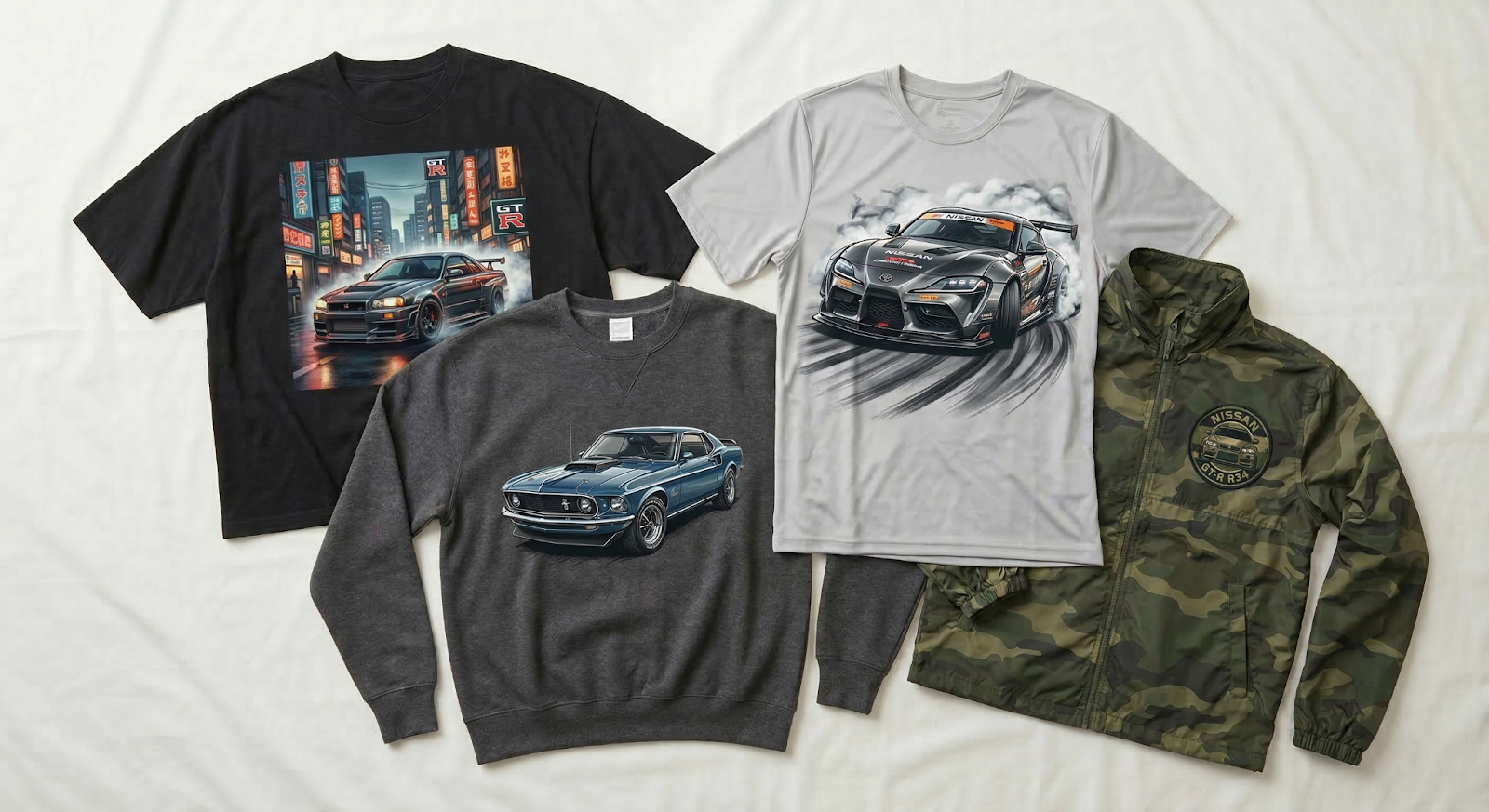
Be very careful when using the likeness of an existing brand or even a specific car – oftentimes, you need licensing to use the images.
You can play on words or create a culture that emphasizes love and passion for that brand. For example, maybe a brand called Beamer Love, that appreciates BMWs without crossing any lines.

If you’re planning to grow a huge car brand, do it right. Contact a company like Brand Genuity to buy the license, then freely use the logo. It will cost money to buy the license to use the logo. There will usually be an upfront fee, and there might be a minimum amount of sales and a percentage of sales. For example, it could be a $50,000 license fee, a minimum sales volume of $500,000, and a royalty fee of 10%. At a minimum, even if you don’t sell anything, you could end up owing a pretty penny – but this gives you the opportunity to do millions in sales the right way.
Build a Brand Identity That Feels Real
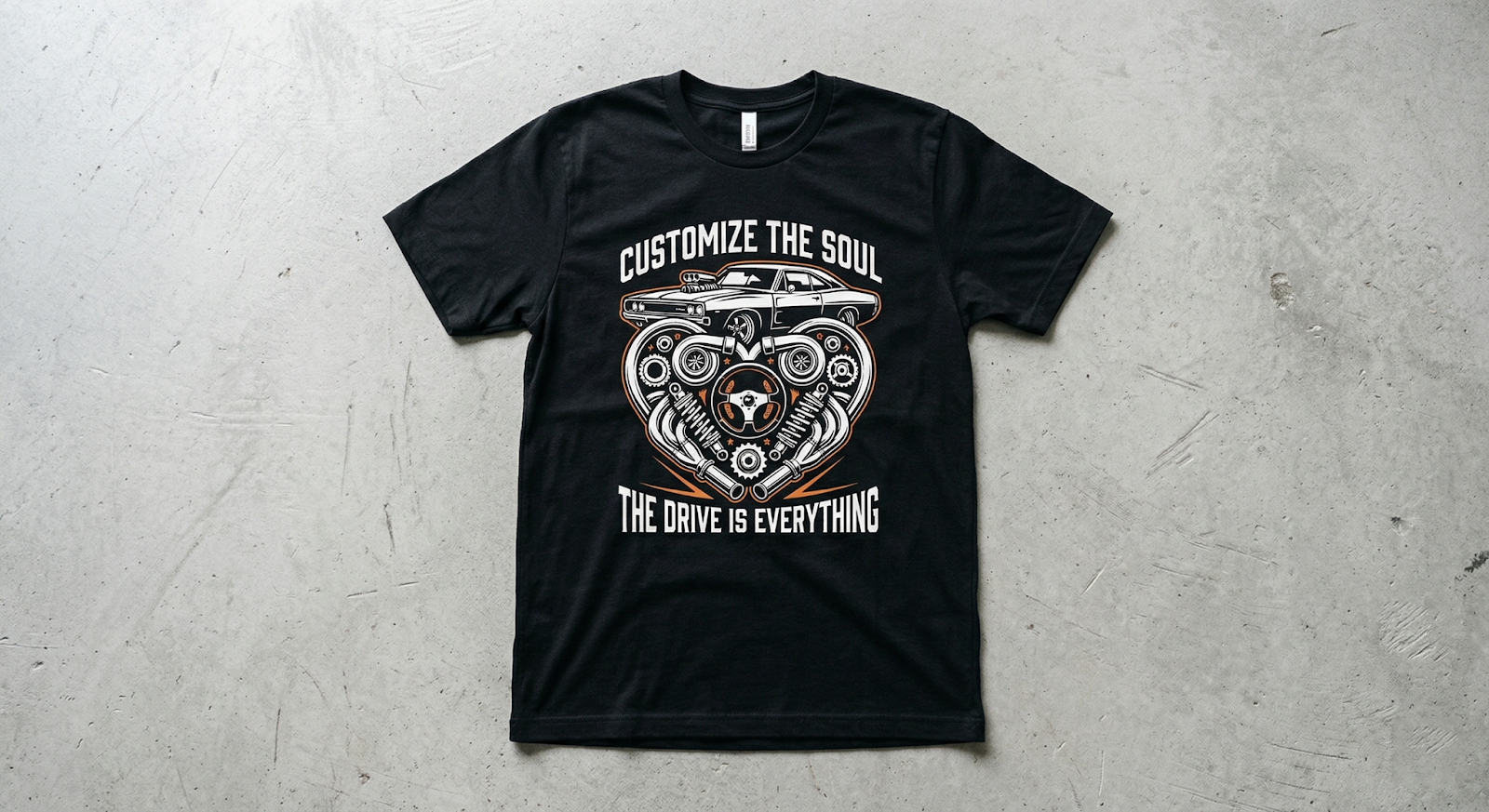
A clothing brand is more than designs—it’s how everything comes together. Your logo, typography, tone of voice, and even how you present your products should feel consistent.
Automotive enthusiasts are detail-oriented. They appreciate craftsmanship, precision, and quality. If your brand feels rushed or generic, it will be hard to build trust.
This is where working with Apliiq gives you a clear advantage. Instead of relying on basic prints, you can create a more refined brand experience through custom woven labels, private branding, and unique placements like sleeve prints or pocket designs. These features allow you to build a clothing line that actually looks like an established automotive brand from day one—something you can directly link to when explaining your brand value to customers.
Start Without Inventory Pressure
One of the biggest challenges when launching a clothing brand is managing inventory. Producing in bulk requires capital, storage, and risk—especially when you’re still figuring out what your audience likes.
With Apliiq, you can launch your automotive clothing brand without holding inventory. Products are created only when customers place orders, allowing you to test designs and collections without major upfront investment.
This also means you can experiment faster. For example, you can launch a small drop inspired by track culture, then shift to off-road aesthetics based on response. Apliiq’s on-demand model makes it easy to adapt without wasting resources, which is something you can directly highlight when guiding new brand owners toward smarter decision-making.
Design Clothing That Reflects the Culture
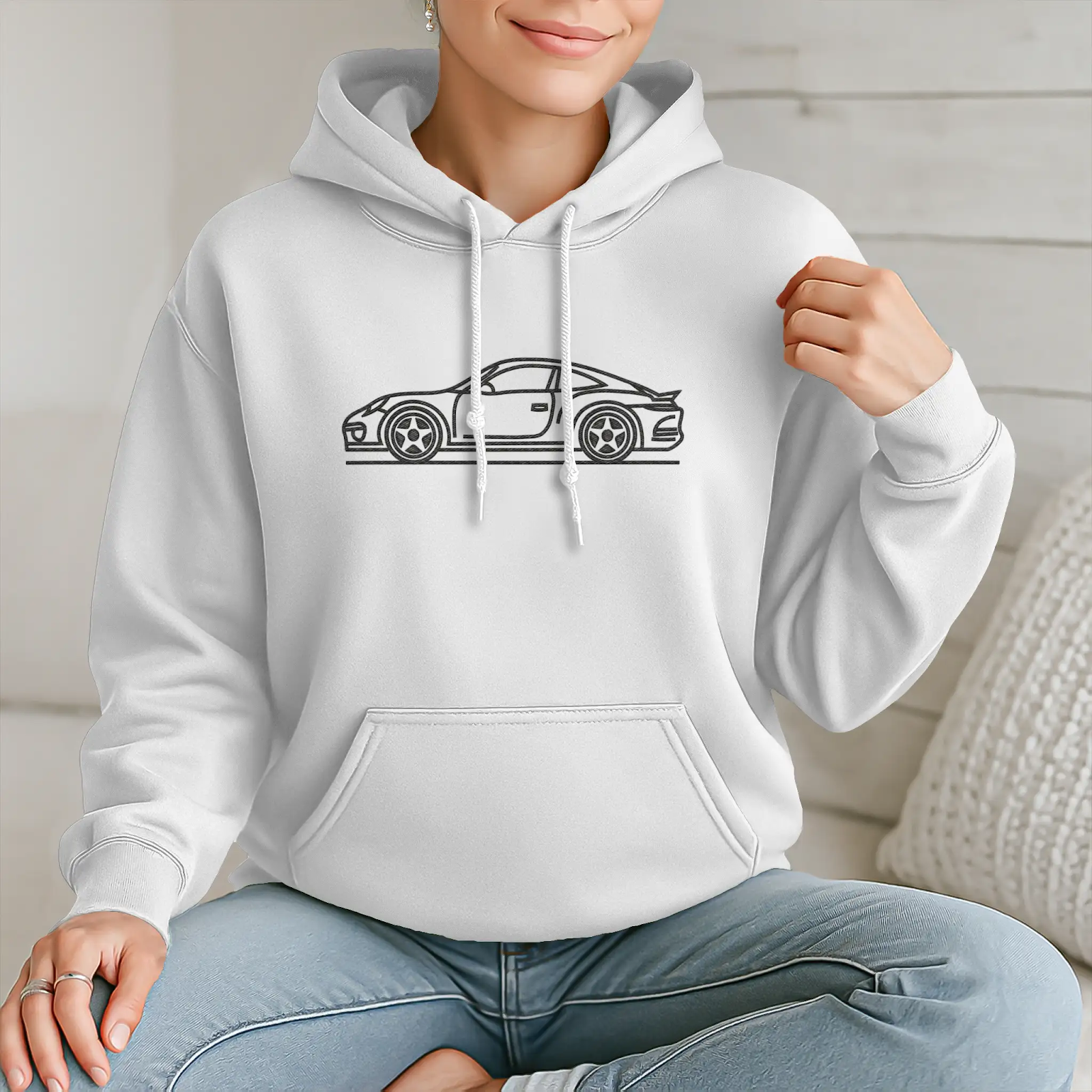
Automotive enthusiasts don’t just buy clothes for fashion—they buy them as an extension of who they are. That means your designs need to feel intentional and connected to the culture.
Instead of focusing solely on loud graphics, consider balance. Some customers want statement pieces for car meets, while others prefer clean, everyday wear that subtly represents their passion.
What makes the biggest difference is the level of detail. Elements like custom embroidery, custom patches, sleeve prints, and unique placements can elevate even the simplest designs. With Apliiq, you can easily incorporate these premium details into your products, giving you the ability to link directly to specific customization options and show exactly how your brand stands out from generic print-on-demand stores.
Grow Without Complicating Operations
As your brand gains traction, managing growth becomes the next challenge. Expanding your product range, maintaining quality, and handling fulfillment can quickly become overwhelming if you’re doing everything manually.
This is where continuing with Apliiq makes scaling much smoother. You can introduce new products like custom t-shirts, hoodies, and hats while keeping your branding consistent across everything.
For existing brand owners, this is especially valuable. Instead of switching suppliers or rebuilding your backend, you can use Apliiq to upgrade product quality, add custom branding elements, and streamline fulfillment—all while keeping your operations simple and efficient.
Focus on Community Over Sales
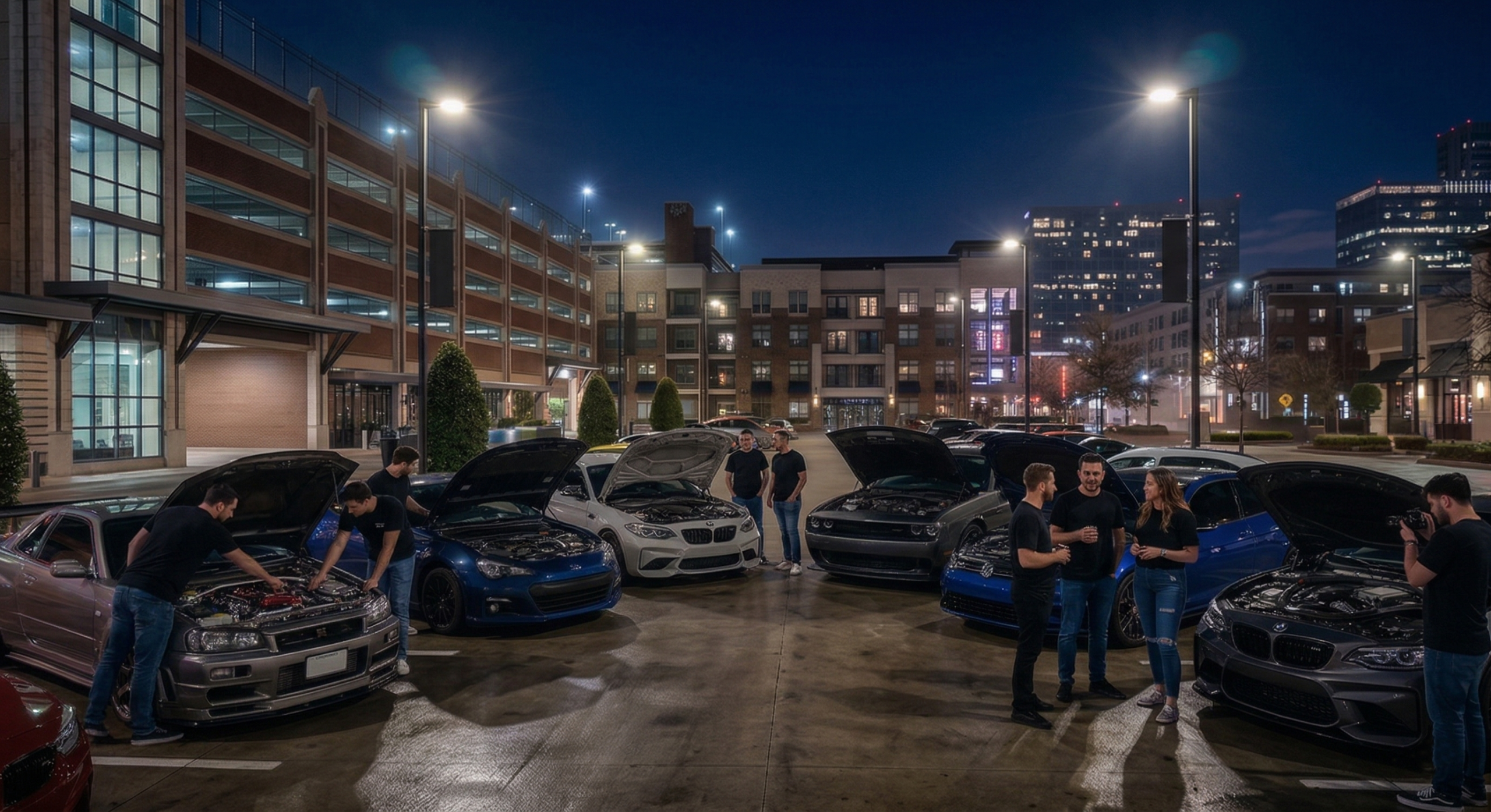
Automotive clothing brands thrive on community. Your audience isn’t just buying products—they’re joining something.
Car meets, social media content, collaborations with enthusiasts, and user-generated posts all play a huge role in building your brand. When someone wears your clothing at an event or shares it online, they’re helping spread your identity.
That’s why quality and authenticity matter so much. People are more likely to represent a brand that feels genuine and well-crafted. By using Apliiq to create high-quality, customized apparel, you ensure that every product your customer wears reflects your brand in the best possible way—making it easier to build trust and long-term loyalty.
Final Thoughts
Starting an automotive enthusiast clothing brand in 2026 is about creating more than just apparel—it’s about building a lifestyle people connect with.
When you combine a clear niche, strong branding, and high-quality products, you position yourself to stand out in a growing market. And with the support of Apliiq, both new and established brand owners can launch, experiment, and scale without the usual risks—while also having access to tools and services they can directly explore and implement.
The culture is strong, the demand is growing, and the opportunity is real.
All that’s left is to build something people truly want to wear.